LED displays are widely used in advertising, retail stores, conference rooms, stadiums, television studios, transportation hubs, and entertainment events. As the demand for digital visual communication continues to grow, more businesses are investing in LED display technology to improve audience engagement and brand visibility.
However, not all LED displays offer the same level of quality. A display may look impressive at first glance but suffer from issues such as poor color consistency, flickering, low brightness, or short lifespan after long-term use. For buyers, understanding how to evaluate LED display quality is essential before making an investment.
In this article, we will explain the key factors that determine LED display quality and what buyers should pay attention to when selecting an LED screen for their projects.
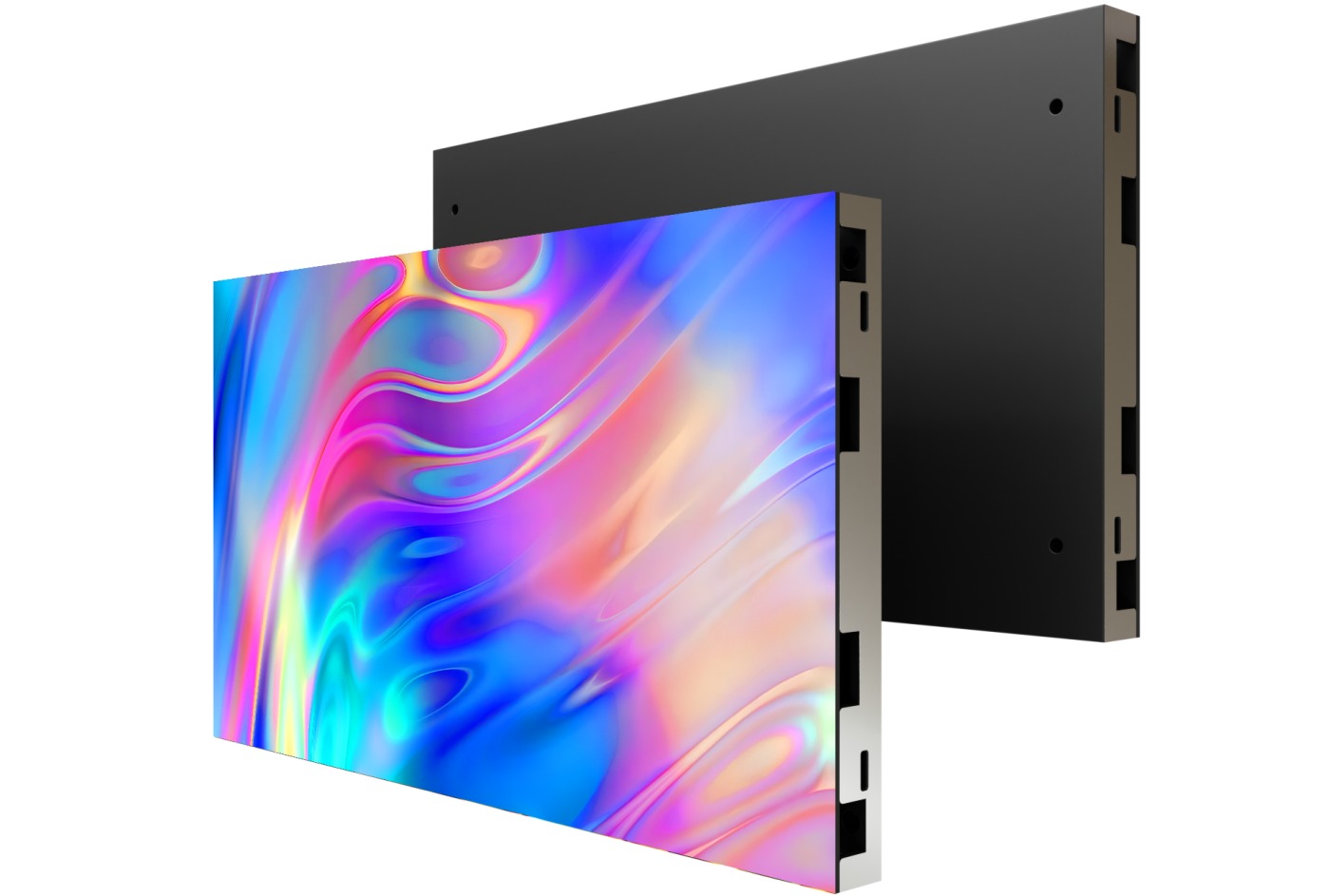
Many people believe that high resolution alone determines LED display quality, but this is only one part of the picture. A truly high-quality LED display combines excellent image performance, reliable hardware, stable operation, and long-term durability.
Several elements work together to influence overall display quality, including:
Pixel pitch and resolution
Brightness and contrast
Color accuracy
Refresh rate
LED chip quality
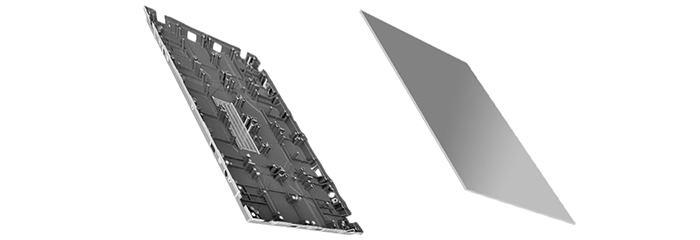
Cabinet structure
Heat dissipation
Control system stability
The ideal LED display should provide clear images, smooth video playback, consistent colors, and reliable performance under different environmental conditions.
Image quality is one of the most important aspects of an LED display. A good display should provide vivid visuals, sharp details, and comfortable viewing experiences.
Pixel pitch refers to the distance between two adjacent LED pixels, measured in millimeters. Smaller pixel pitches provide higher pixel density and sharper images.
For example:
P1.25 and P1.5 displays are suitable for close indoor viewing
P4, P6, and P10 displays are commonly used for outdoor advertising
The correct pixel pitch depends mainly on viewing distance. If viewers are close to the screen, a fine-pitch display is necessary to avoid visible pixel gaps.
Higher resolution improves:
Text readability
Image sharpness
Video clarity
Overall visual experience
However, choosing an extremely fine pitch for long-distance viewing may unnecessarily increase project costs.
Brightness is another critical factor in LED display quality. It determines how visible the content remains under different lighting conditions.
Indoor LED displays generally require:
600–1,200 nits brightness
Outdoor LED displays often require:
4,000–7,000 nits brightness
If brightness is too low, the display may appear washed out under sunlight. Excessive brightness, however, can cause eye discomfort and unnecessary power consumption.
Automatic brightness adjustment systems are often used in high-quality LED displays to optimize viewing comfort and energy efficiency.
Contrast ratio refers to the difference between the darkest black and the brightest white the display can produce.
A higher contrast ratio provides:
Better image depth
Richer colors
Improved readability
More vivid visuals
Displays with poor contrast may look flat and lack detail, especially in dark scenes or high-definition video playback.
Color performance is essential for advertising, broadcasting, and commercial display applications.
A quality LED display should maintain:
Accurate color reproduction
Consistent brightness
Uniform color across all modules
Poor calibration can lead to:
Color differences between cabinets
Uneven brightness
Inconsistent visual effects
High-end LED displays use advanced calibration technology to ensure smooth and consistent image presentation.
Refresh rate measures how many times the display updates the image every second.
A higher refresh rate provides:
Smoother video playback
Reduced flickering
Better camera performance
Low refresh rates may cause visible scan lines or flickering when filmed by cameras.
Gray scale refers to the display’s ability to show smooth transitions between dark and bright colors.
High grayscale performance improves:
Shadow details
Color transitions
Image smoothness
Displays with poor grayscale capability may show banding or unnatural image transitions.
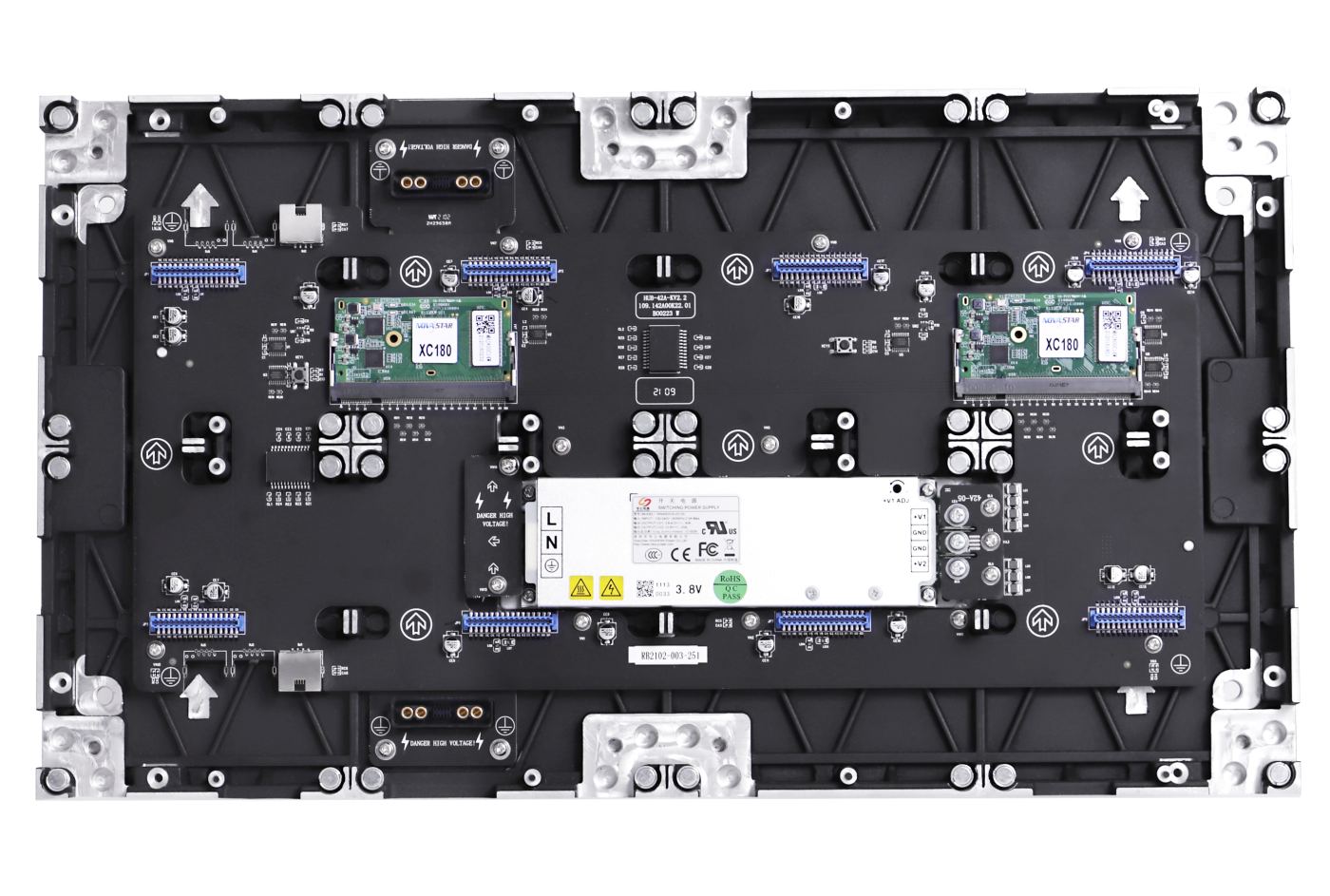
The internal components of an LED display significantly affect its reliability and lifespan.
LED lamp beads are the core light-emitting components of the display.
High-quality LED chips provide:
Better brightness consistency
Longer lifespan
Higher reliability
Improved color stability
Poor-quality LEDs may experience:
Dead pixels
Brightness decay
Color inconsistency
Many premium displays use well-known LED chip brands to ensure stable performance.
The printed circuit board (PCB) and driver ICs play an important role in display stability.
High-quality driver ICs improve:
Refresh rate
Grayscale performance
Brightness consistency
Signal stability
Poor PCB design may lead to:
Flickering
Heat buildup
Display instability
Stable electronic design is essential for long-term reliable operation.
The cabinet structure affects both display appearance and durability.
Common cabinet materials include:
Die-cast aluminum
Steel
Die-cast aluminum cabinets offer:
Better precision
Lightweight construction
Improved heat dissipation
Easier installation
High cabinet precision is important for achieving seamless display surfaces without visible gaps.
Power supply stability directly affects LED display performance.
A high-quality power supply provides:
Stable voltage output
Energy efficiency
Reduced heat generation
Longer component lifespan
Low-quality power systems may cause:
Flickering
Screen instability
Power failures
Shortened lifespan
Reliable power management is especially important for large commercial LED projects.
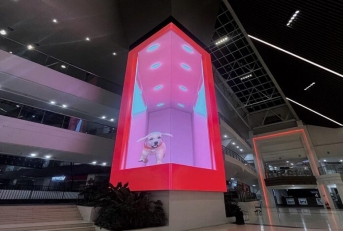
LED displays are often expected to operate continuously for many hours every day. Durability is therefore a critical factor.
Outdoor LED displays must withstand:
Rain
Dust
Humidity
Harsh weather conditions
IP ratings indicate protection levels.
For example:
IP65 is commonly used for outdoor front protection
IP54 or higher may be suitable for some indoor environments
Higher protection levels improve long-term reliability.
LED displays generate heat during operation. Poor heat management can damage components and reduce lifespan.
Effective heat dissipation systems help:
Maintain stable operation
Prevent overheating
Extend display lifespan
High-quality displays use:
Aluminum cabinet designs
Ventilation systems
Intelligent temperature control
A professional LED display typically has a lifespan of up to 100,000 hours under proper operating conditions.
Maintenance accessibility is also important.
Modern displays may support:
Front maintenance
Rear maintenance
Easy maintenance reduces downtime and service costs.
Modular designs allow technicians to quickly replace damaged components without disassembling the entire screen.
Commercial LED displays often operate:
16 hours daily
24/7 in control rooms or public spaces
A quality display should maintain stable brightness, color, and signal performance over long periods.
Reliable systems reduce:
Failure rates
Maintenance costs
Operational interruptions
The overall viewing experience determines how effective the display is for communication and audience engagement.
Wide viewing angles allow audiences to see clear images from different positions.
High-quality LED displays provide:
Wider horizontal viewing angles
Wider vertical viewing angles
Better visibility in public environments
Poor viewing angles may cause color distortion or brightness reduction when viewed from the side.
Cabinet alignment precision is critical for creating a smooth and seamless display surface.
Poor-quality cabinets may create:
Visible gaps
Uneven surfaces
Misaligned images
Precision manufacturing improves the overall visual appearance of large video walls.
Outdoor LED displays must remain visible under strong sunlight.
Anti-glare technology helps:
Reduce reflections
Improve readability
Enhance outdoor viewing comfort
This is particularly important for:
Digital billboards
Transportation displays
Stadium screens
The control system acts as the “brain” of the LED display.
A stable control system ensures:
Smooth content playback
Accurate signal transmission
Reliable synchronization
Professional projects often require advanced sending and receiving cards for stable operation.
Modern LED displays support various software functions, including:
Remote management
Content scheduling
Video processing
Cloud-based control
User-friendly software improves operational efficiency and flexibility.
Signal transmission quality directly affects image stability.
Poor signal systems may cause:
Flickering
Screen tearing
Delayed playback
Reliable signal processing is especially important for:
Large LED walls
Live events
Broadcast applications
Energy efficiency has become increasingly important in modern LED display projects.
Energy-saving LED displays offer benefits such as:
Lower operating costs
Reduced heat generation
Longer component lifespan
Lower environmental impact
Advanced LED technologies improve brightness while reducing power consumption.
Many companies also prioritize environmentally friendly manufacturing and recyclable materials as part of sustainability initiatives.
Certifications help verify product safety and quality compliance.
Common international certifications include:
CE
RoHS
FCC
EMC
Professional manufacturers also perform:
Aging tests
Waterproof tests
Calibration inspections
Reliability testing
Strong quality control processes improve product consistency and long-term performance.
Manufacturer experience and after-sales support are equally important when evaluating LED display quality.
Choosing a high-quality LED display involves much more than comparing prices or resolutions. Buyers should carefully evaluate image quality, brightness, refresh rate, component reliability, cabinet structure, control systems, and long-term durability before making a decision.
A reliable LED display should deliver excellent visual performance, stable operation, easy maintenance, and long service life across different applications and environments.
Whether the project is for advertising, conferences, retail, broadcasting, or entertainment, selecting the right LED display solution can significantly improve communication effectiveness and audience engagement.
For professional LED display solutions and expert technical support, Hongwei LED display provides a wide range of indoor and outdoor LED display products designed for commercial, rental, and creative applications.
By continuing to use the site you agree to our privacy policy Terms and Conditions.