As digital display technology continues to evolve, businesses and organizations are increasingly looking for high-quality visual solutions for conferences, retail stores, classrooms, exhibitions, churches, and entertainment venues. Among the most popular options are indoor LED displays and projectors. Both technologies are widely used for presenting images, videos, and presentations on large screens, but they differ significantly in terms of performance, installation, image quality, and long-term value.
Choosing between an indoor LED display and a projector depends on several factors, including budget, viewing environment, application requirements, and expected lifespan. In this article, we will compare indoor LED displays and projectors in detail to help you determine which solution is best for your needs.
An indoor LED display is a large digital screen made up of thousands of light-emitting diodes (LEDs). These LEDs work together to create bright, vivid, and high-resolution images. Indoor LED displays are commonly used in environments where viewers are relatively close to the screen, such as:
Conference rooms
Retail stores
Shopping malls
TV studios
Control rooms
Churches
Exhibition halls
Modern indoor LED displays often feature fine pixel pitch technology, which allows them to deliver sharp images even at close viewing distances.
A projector is a display device that projects images or videos onto a screen or flat surface using light and optical systems. Projectors are widely used in classrooms, meeting rooms, home theaters, and temporary presentation spaces.
Common projector types include:
LCD projectors
DLP projectors
Laser projectors
Projectors are popular because they are relatively affordable and easy to install. They can create large images without requiring a massive physical display panel.
However, projector performance is often affected by:
Ambient lighting
Throw distance
Screen quality
Lamp brightness
While projectors remain suitable for certain applications, indoor LED displays are becoming increasingly popular for commercial and professional environments.
|
Comparison Factor |
Indoor LED Display |
Projector |
|
Display Technology |
Direct-view LED technology |
Projection-based imaging |
|
Brightness |
Very high brightness, suitable for bright environments |
Best performance in dark rooms |
|
Image Quality |
Sharp, vivid, high contrast images |
Image quality affected by ambient light |
|
Viewing Angle |
Wide viewing angle with consistent image quality |
Viewing quality may decrease from side angles |
|
Color Performance |
Excellent color saturation and contrast |
Color performance depends on projector quality |
|
Screen Size Flexibility |
Fully customizable video wall sizes |
Limited by projection distance and room size |
|
Seamless Display |
Seamless large displays possible |
Projection edges and alignment may be visible |
|
Installation Requirements |
Permanent installation usually required |
Easier temporary setup |
|
Space Requirements |
Compact wall-mounted solution |
Requires throw distance and projection space |
|
Maintenance |
Low maintenance requirements |
Lamp replacement and filter cleaning needed |
|
Lifespan |
Up to 100,000 hours |
Lamp lifespan usually much shorter |
|
Durability |
Strong long-term stability |
More sensitive to environmental conditions |
|
Continuous Operation |
Suitable for 24/7 operation |
Less ideal for long continuous use |
|
Energy Consumption |
Efficient modern LED technology |
Varies depending on projector type |
|
Initial Cost |
Higher upfront investment |
Lower initial purchase cost |
|
Long-Term Cost |
Lower maintenance and replacement cost |
Higher maintenance and operating expenses over time |
Indoor LED displays have become increasingly popular because of their superior visual performance and reliability.
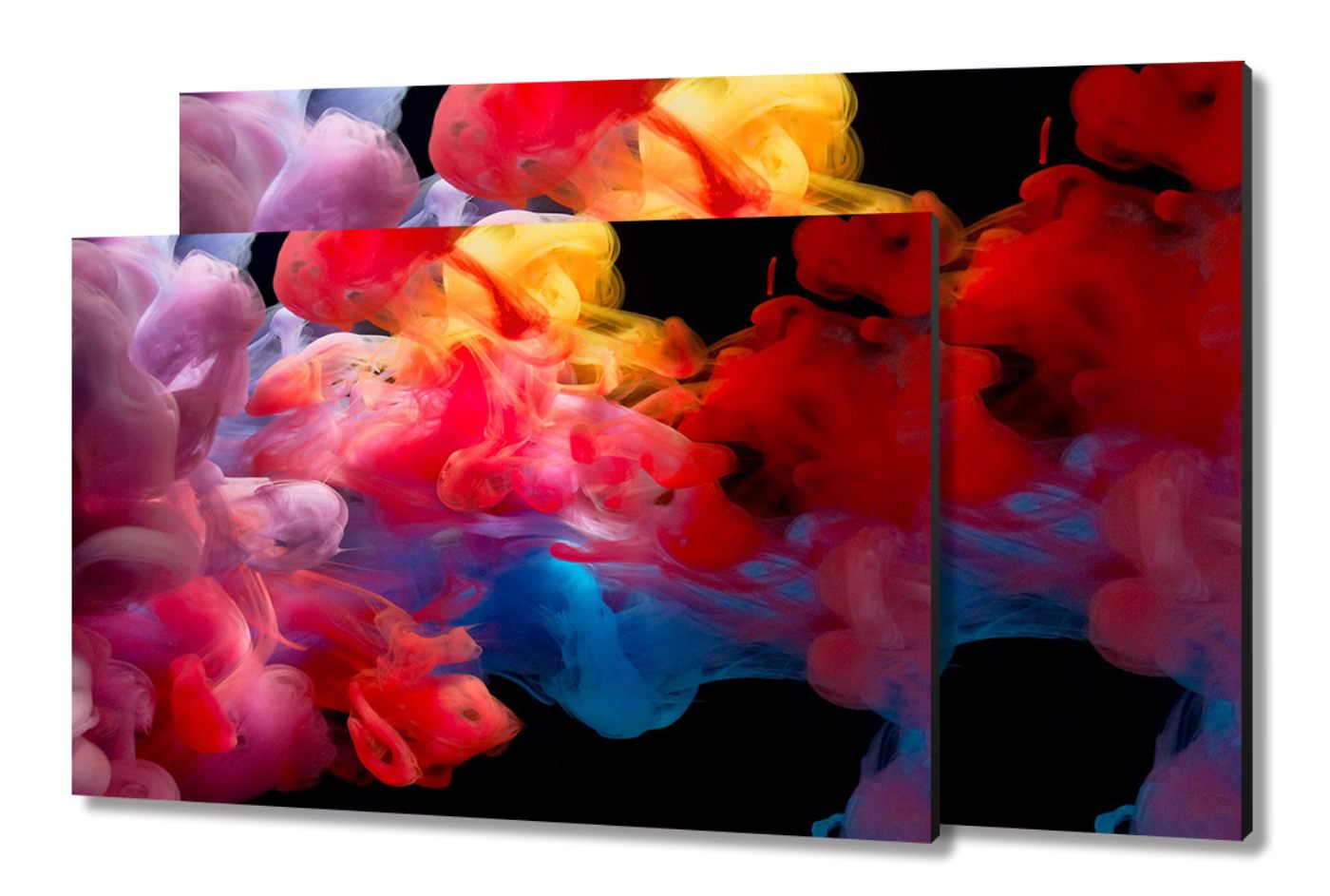
One of the biggest advantages of indoor LED displays is their brightness. Unlike projectors, LED displays remain clearly visible even in brightly lit environments.
Projectors often require dim lighting conditions to achieve acceptable image quality.
Indoor LED displays provide:
Higher contrast ratios
More vivid colors
Better black levels
Improved image depth
The result is a more immersive and professional visual experience.
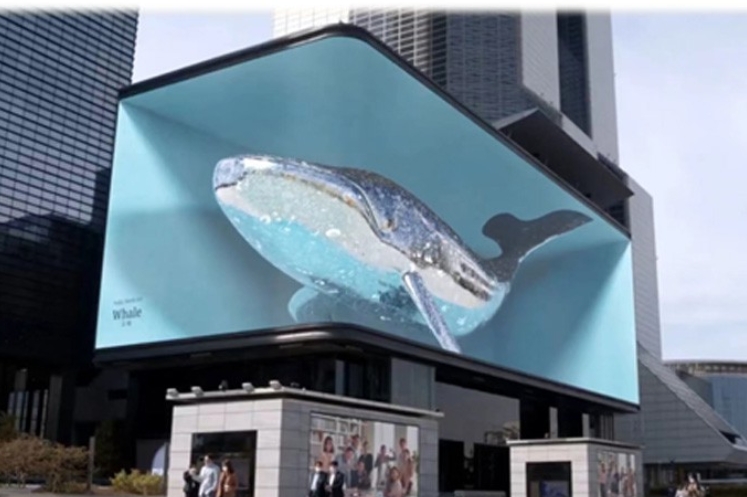
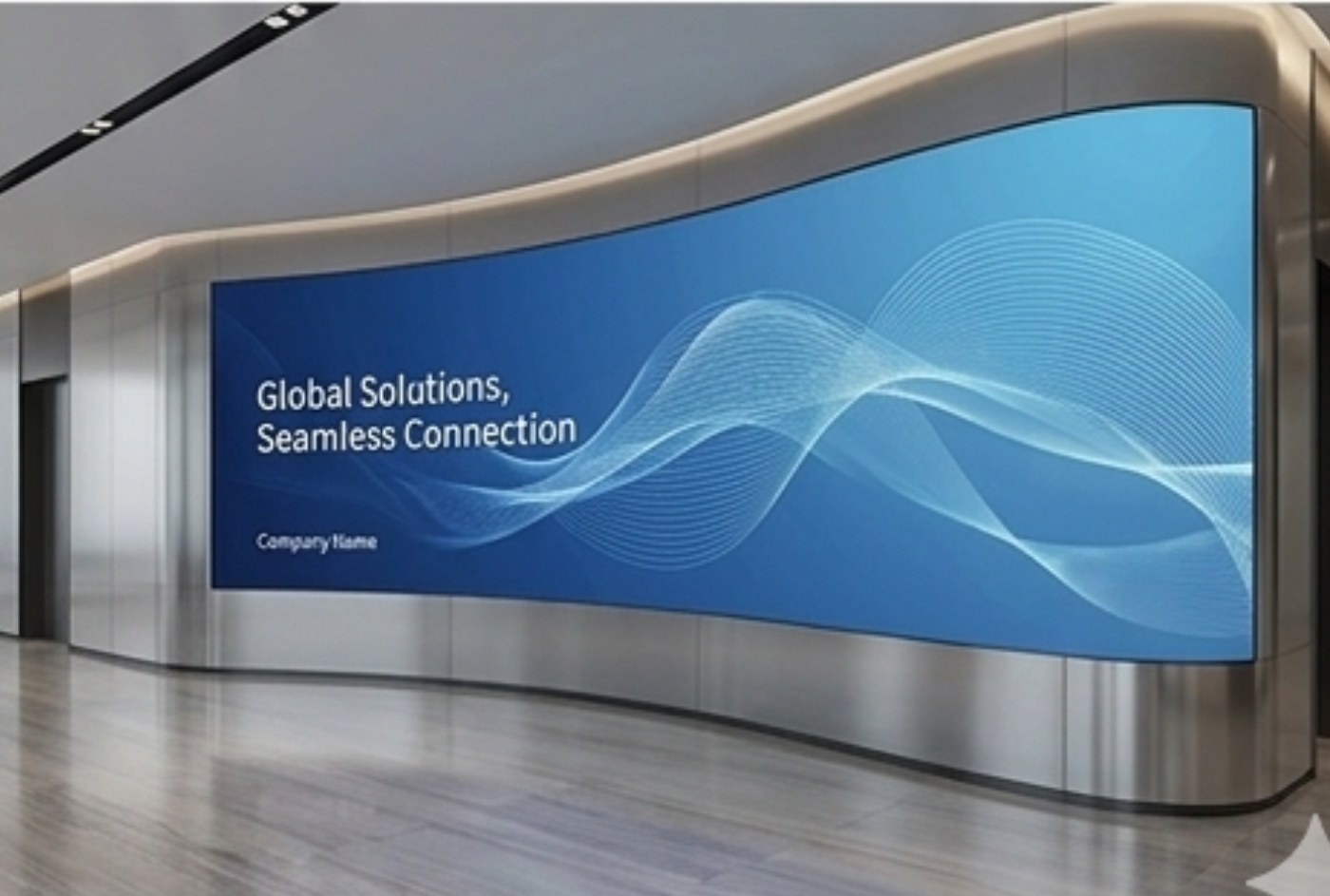
LED technology allows multiple cabinets to connect seamlessly into one large video wall. Businesses can create:
Ultra-wide displays
Creative curved screens
Customized screen sizes
Projectors may struggle to achieve the same seamless appearance, especially in multi-projector setups.
A high-quality indoor LED display can operate for up to 100,000 hours under proper conditions. This makes LED screens highly suitable for commercial environments requiring long daily operation times.
LED displays are designed for continuous use and generally require less maintenance compared to projectors.
There are no projector lamps to replace, and modern LED systems are highly stable over time.
Indoor LED displays offer a sleek and modern appearance that enhances the overall atmosphere of commercial spaces.
Many businesses use LED video walls to create:
Premium brand experiences
Interactive environments
High-end visual presentations
Although LED displays offer many benefits, projectors still have advantages in certain situations.
Projectors are generally more affordable upfront, especially for small-scale applications.
For businesses with limited budgets, projectors may provide a practical short-term solution.
Projectors are portable and relatively easy to install temporarily. They are commonly used for:
Training sessions
Temporary meetings
Small events
Classroom presentations
Projectors can create large images without the need for a physically large display panel.
For occasional use in dark environments, this can be cost-effective.
Projectors do not require permanent wall-mounted LED cabinets. They are suitable for environments where flexibility and portability are important.
Indoor LED displays are best suited for professional and commercial environments requiring high-quality visuals and long-term reliability.
LED displays provide:
Clear presentations
High-definition video conferencing
Better readability
Professional visual experiences
Retail Stores and Shopping Malls
Retail businesses use LED displays for:
Digital signage
Advertising campaigns
Product promotion
Brand enhancement
The bright and vivid visuals help attract customer attention.
LED displays are widely used in broadcasting because of their:
High refresh rates
Camera-friendly performance
Stable image quality
Control Rooms
Control rooms require reliable displays capable of operating continuously. LED displays provide stable 24/7 performance for monitoring and data visualization.
Large indoor venues benefit from LED displays because they provide excellent visibility for large audiences.
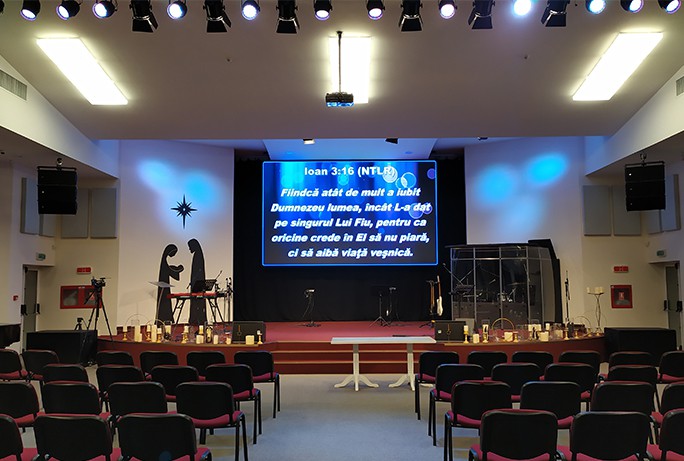
LED video walls create strong visual impact and improve audience engagement during exhibitions and events.
Projectors remain suitable for several common applications.
For simple presentations in small meeting spaces, projectors can provide a budget-friendly solution.
Educational environments often use projectors because they are affordable and easy to operate.
Projectors can create cinematic viewing experiences at relatively low cost in dark rooms.
Portable projectors are useful for temporary events where permanent installation is unnecessary.
Indoor LED displays and projectors each have their own advantages and ideal applications. Projectors offer affordability and portability for temporary or low-budget use, while indoor LED displays provide superior brightness, image quality, durability, and long-term performance.
For businesses seeking a modern, high-impact visual solution for commercial environments, indoor LED displays are increasingly becoming the preferred choice. By carefully evaluating factors such as viewing environment, operating time, image quality expectations, and budget, buyers can choose the most suitable display technology for their needs.
For professional indoor LED display solutions, Hongwei LED display offers a wide range of fine-pitch LED products designed for conference rooms, retail spaces, broadcasting, exhibitions, and commercial applications.
By continuing to use the site you agree to our privacy policy Terms and Conditions.