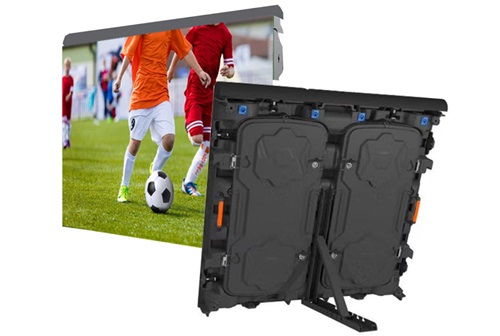
Modern stadiums are no longer just venues for sports competitions—they are immersive entertainment hubs that combine live action, digital broadcasting, and commercial advertising. At the center of this transformation is the outdoor LED screen, which plays a crucial role in enhancing fan experience, improving visibility, and maximizing commercial value.
Whether you are planning a football stadium LED display, a stadium perimeter LED display, or a large stadium LED display screen for replays and advertisements, choosing the right solution requires careful consideration. This guide walks you through all the key factors to help you make an informed and future-proof decision.
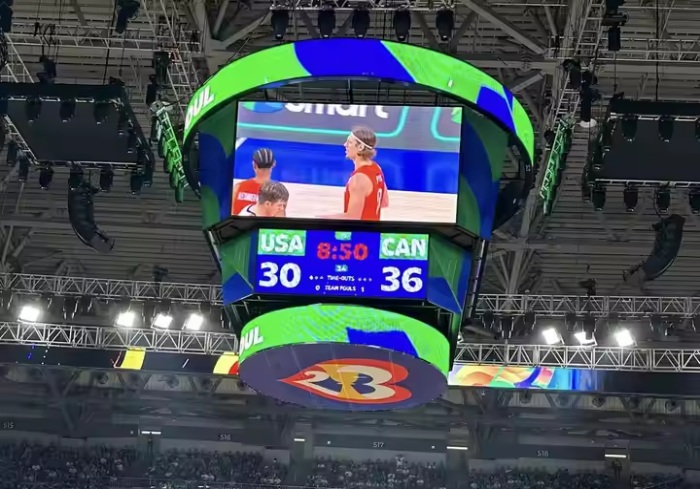
Every stadium has unique requirements depending on its size, sport type, audience capacity, and usage goals. Before selecting an LED display, it is essential to clarify how the screen will be used.
Common applications include:
Live match broadcasting and instant replays
Scoreboards and real-time data display
Sponsor advertising and branding
Fan engagement content such as animations and announcements
A stadium LED display installed above the stands has very different technical requirements compared to a stadium perimeter LED display placed along the pitch. Understanding viewing distance, audience angle, and content type helps determine the correct technical configuration.
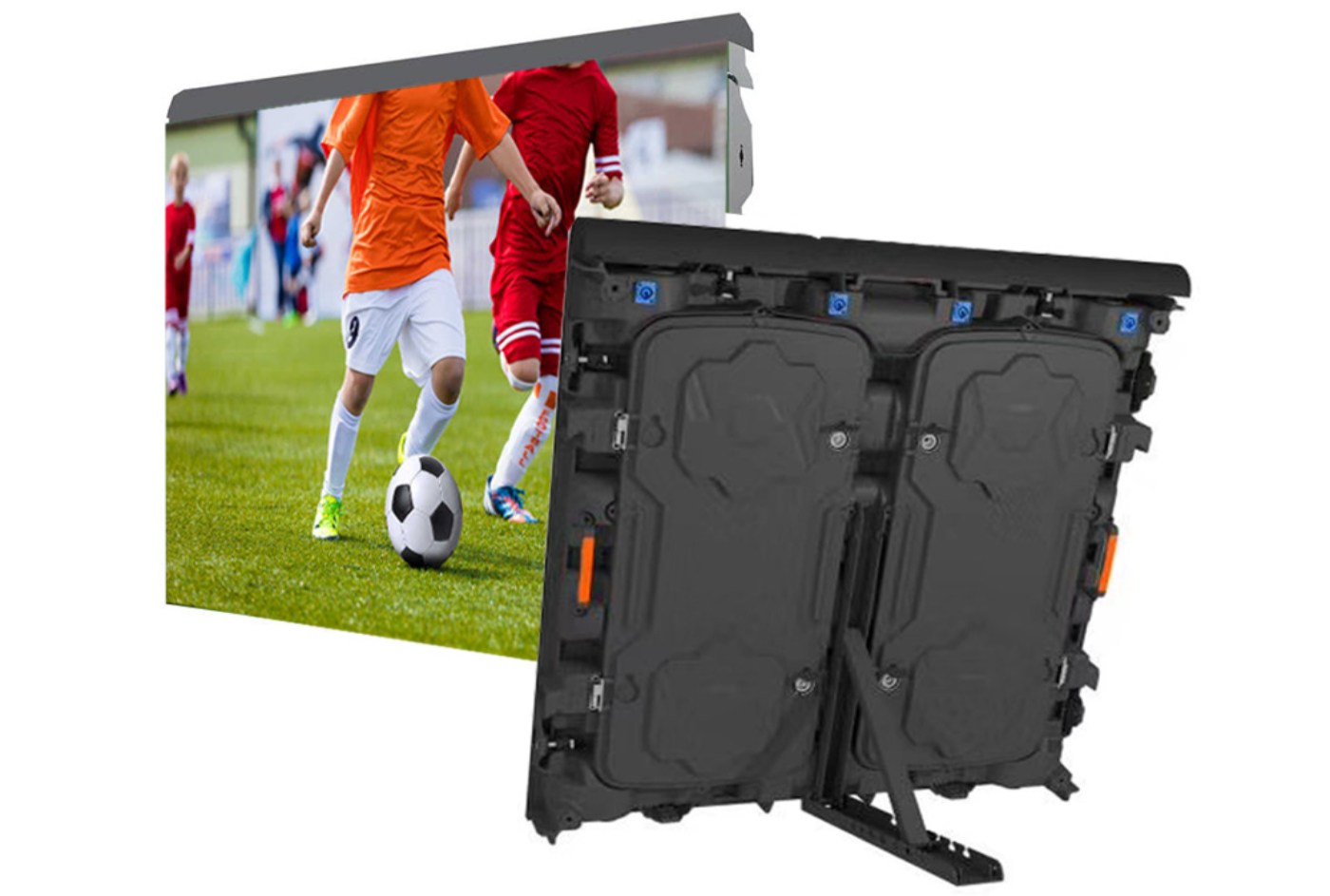
Pixel pitch refers to the distance between individual LED pixels and directly affects image clarity. For LED display screens for stadium, the correct pixel pitch depends largely on viewing distance:
Long viewing distances (scoreboards, large screens): P8–P16
Medium distances (mid-sized stadium screens): P6–P8
Close viewing (perimeter LED displays): P4–P6
A smaller pixel pitch offers higher resolution but increases cost. The goal is to achieve optimal clarity without overspending. For a large stadium LED display screen, balancing resolution and budget is key.
Outdoor stadiums require exceptionally bright screens to remain visible under direct sunlight. A high-quality outdoor LED screen typically delivers:
Brightness of 5,000–8,000 nits or higher
High contrast ratio for sharp visuals in all lighting conditions
For daytime football matches, a football stadium LED display with insufficient brightness can appear washed out, reducing both audience experience and advertising impact.
Stadium LED displays are exposed to rain, dust, wind, heat, and temperature fluctuations year-round. Durability is non-negotiable.
Key standards to look for:
IP65 or higher front and rear protection
Anti-corrosion cabinet materials
UV-resistant LED lamps
A reliable outdoor LED screen must maintain stable performance even in extreme weather conditions, ensuring long service life and reduced maintenance costs.
High refresh rates are essential for live sports broadcasting and camera recording. A low refresh rate may cause flickering or scanning lines on television broadcasts.
Recommended specifications:
Refresh rate ≥ 3840Hz
Smooth grayscale performance
Stable color consistency
This is especially important for football stadium LED displays, where content is often filmed and rebroadcasted.
Stadium installations usually involve large-scale structures, so cabinet design matters.
Consider:
Lightweight but strong aluminum cabinets
Modular design for easy expansion
Front or rear maintenance access
For stadiums with limited rear space, front-maintenance cabinets are ideal. Modular systems also simplify future upgrades of wholesale stadium LED display projects.
Safety is a top priority in public venues. Stadium LED displays must comply with structural and electrical safety standards.
Important aspects include:
Redundant power and signal systems
Secure mounting and wind-load resistance
Overheat protection and intelligent temperature control
A failure during a live event can damage reputation and revenue, making reliability a critical selection factor.
A powerful control system allows stadium operators to manage content efficiently.
Key features:
Real-time video switching
Integration with scoring and broadcasting systems
Remote monitoring and diagnostics
For a stadium perimeter LED display, fast and seamless content switching is crucial to meet sponsorship and broadcasting requirements.
Large stadium screens consume significant energy. Choosing energy-efficient components can greatly reduce long-term operating costs.
Look for:
High-efficiency LED chips
Smart brightness adjustment
Power-saving driver ICs
Additionally, consider LED lifespan, ease of maintenance, and spare part availability when evaluating total cost of ownership.
Not all LED suppliers have experience with stadium projects. Selecting the right partner is just as important as choosing the right product.
A reliable supplier should offer:
Proven experience in stadium LED installations
Custom design and engineering support
On-site installation guidance and training
Long-term after-sales service and warranty
For large-scale projects, working with a wholesale stadium LED display manufacturer can provide better pricing, customization, and technical support.
While cost is always a consideration, focusing solely on the lowest price often leads to higher long-term expenses.
When planning your budget:
Compare initial cost vs. lifespan
Evaluate maintenance and energy costs
Assess advertising and sponsorship revenue potential
A high-quality stadium LED display can significantly increase advertising exposure and deliver strong ROI over time.
Choosing the best outdoor LED screen for stadiums is a strategic investment that impacts fan engagement, event quality, and commercial revenue. By carefully evaluating pixel pitch, brightness, durability, safety, control systems, and supplier capabilities, stadium operators can ensure reliable performance and long-term success.
Whether you are installing a football stadium LED display, a stadium perimeter LED display, or a large stadium LED display screen, a well-planned solution will deliver superior visuals, stable operation, and excellent return on investment.
For professional stadium LED solutions, customized designs, and reliable large-scale supply, Hongwei LED display provides high-performance outdoor LED screens tailored to meet the demanding requirements of modern stadiums.
By continuing to use the site you agree to our privacy policy Terms and Conditions.