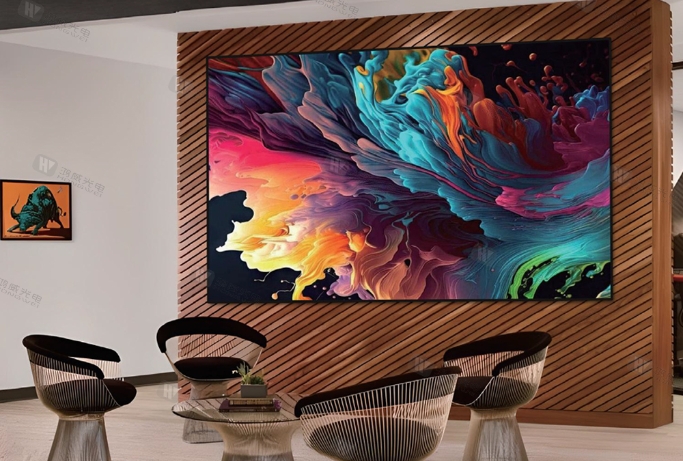
P6 outdoor LED display sign board screens are widely used for outdoor advertising, traffic information, commercial signage, stadiums, and public information displays. With a 6 mm pixel pitch, P6 LED displays balance resolution, brightness, and viewing distance, making them a popular choice for medium-to-large outdoor installations.
However, long-term outdoor operation exposes these screens to heat, rain, dust, voltage fluctuations, and mechanical stress. As a result, failures such as dead pixels, flickering, color distortion, or partial black screens are common. Understanding how to repair P6 outdoor LED display sign board screens is essential for maintaining performance, extending service life, and reducing operating costs.
This article provides a complete, step-by-step repair and troubleshooting guide based on industry best practices.

A P6 outdoor LED display uses LED modules arranged in cabinets to form a large screen. Each pixel consists of red, green, and blue LED chips, controlled by driver ICs and receiving cards. These displays are designed for high brightness (usually 5,000–7,000 nits or more) and outdoor durability.
Common applications include:
Roadside advertising billboards
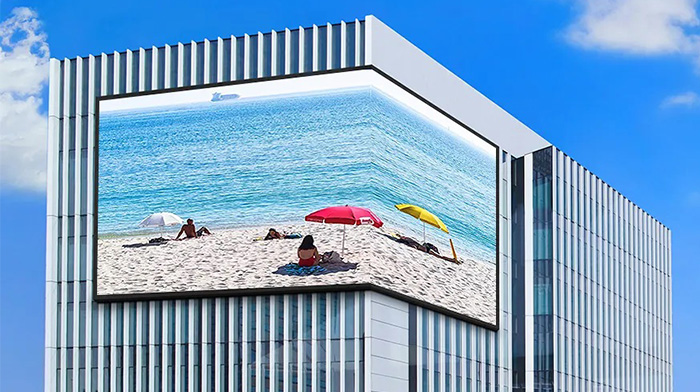
Building facade LED screens
Outdoor digital signage
Stadium perimeter displays
Because P6 LED displays operate continuously and in harsh environments, proper repair and maintenance are critical to stable operation.
Before starting any repair, it is important to understand the system structure.
Key Components
P6 LED modules: The smallest display unit containing LEDs and driver ICs
Power supply: Converts AC input to DC voltage (typically 5V)
Receiving card: Controls data distribution to LED modules
Sending card / controller: Sends image data from the control computer
Cables: Power cables, ribbon cables, network or fiber cables
Cabinet and frame: Mechanical structure with waterproof design
Knowing how these components interact helps quickly locate faults.
Repairing outdoor LED display screens involves electrical and height-related risks. Always follow safety protocols.
Key precautions include:
Power off the display completely before repair
Use anti-static wrist straps when handling LED modules or control cards
Avoid repairing during rain or high humidity
Use insulated tools and wear protective equipment
Ensure stable scaffolding or lifting platforms for high installations
Ignoring safety measures can cause equipment damage or personal injury.
Understanding typical failure modes makes troubleshooting faster and more accurate.
Common Issues
Dead pixels or dark modules
Partial black screen or missing rows/columns
Color distortion or color blocks
Flickering or flashing screen
Brightness inconsistency
Water ingress and corrosion
Signal loss or communication failure
Each symptom usually points to a specific component or connection problem.
LED module failure is one of the most common issues in P6 outdoor LED displays.
Typical Module Issues
Dead LEDs
Partial rows or columns not lighting
Abnormal color output
Repair Solutions
Replace damaged LED modules: The fastest and most reliable method
Repair solder joints: Cold or cracked solder joints can cause intermittent failures
Driver IC replacement: For advanced technicians, faulty ICs can sometimes be replaced
After module replacement, always perform brightness and color calibration.
Power issues often cause screen flickering or complete blackout.
Common Power Problems
Power supply not outputting correct voltage
Overheating or burnt power units
Loose or oxidized power connectors
Repair Steps
Measure AC input and DC output voltage
Replace faulty power supplies with the same specification
Check grounding and surge protection devices
Stable power supply is critical for outdoor LED display reliability.
If modules and power are normal, the issue may lie in the control system.
Control System Problems
Receiving card not recognized
Incorrect screen mapping
Communication failure between cabinets
Solutions
Reseat or replace receiving cards
Reconfigure parameters in LED control software
Replace damaged ribbon or network cables
Check sending card and controller settings
Proper signal transmission ensures accurate image display.
Color inconsistency is common after long-term use or component replacement.
Calibration Solutions
Perform white balance adjustment
Recalibrate brightness and grayscale levels
Use calibration software for uniformity correction
Regular calibration improves visual quality and extends display lifespan.
Outdoor LED displays are exposed to rain and humidity, making waterproofing essential.
Waterproofing Issues
Water entering through cabinet gaps
Damaged seals or gaskets
Corroded connectors
Repair Methods
Replace or reseal waterproof gaskets
Apply waterproof silicone to joints
Clean and treat corroded connectors
Preventing water ingress significantly reduces long-term damage.
Mechanical issues can affect both safety and display quality.
Common Structural Problems
Cabinet deformation
Loose fasteners
Poor flatness alignment
Repair Actions
Replace damaged cabinets
Tighten or replace locking mechanisms
Adjust frame alignment to maintain screen flatness
Structural integrity is especially important for large outdoor video walls.
Repairing a P6 outdoor LED display sign board screen requires a clear understanding of system structure, careful fault diagnosis, and correct repair techniques. From LED modules and power supplies to control systems and waterproofing, each component plays a critical role in overall performance.
By following standardized repair procedures and implementing regular maintenance, businesses can significantly extend the lifespan of their outdoor LED display screens while maintaining stable image quality.
By continuing to use the site you agree to our privacy policy Terms and Conditions.