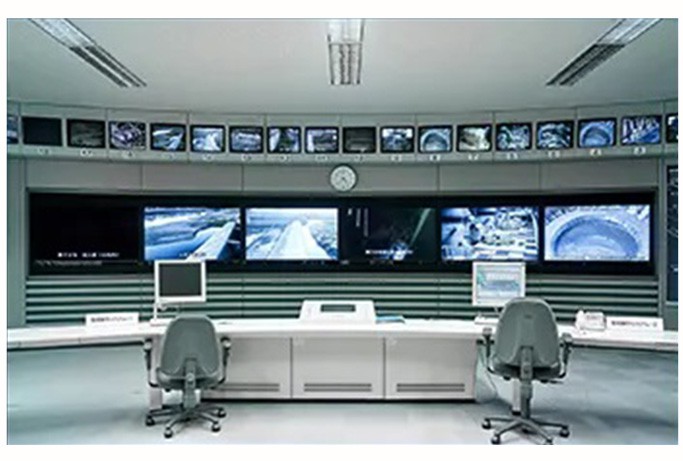
LED screens have become one of the most important display technologies in modern visual communication. From indoor conference rooms and control centers to massive outdoor advertising billboards and stadium video walls, LED screens are widely used due to their high brightness, long lifespan, energy efficiency, and flexible installation options.
However, many buyers and project owners still ask a fundamental question before choosing a solution: what is an LED screen made of? Understanding the materials and components behind an LED display helps you better evaluate quality, performance, durability, and long-term maintenance costs.
This article explains the complete structure of an LED screen, breaking down its core components and materials in a clear and practical way.
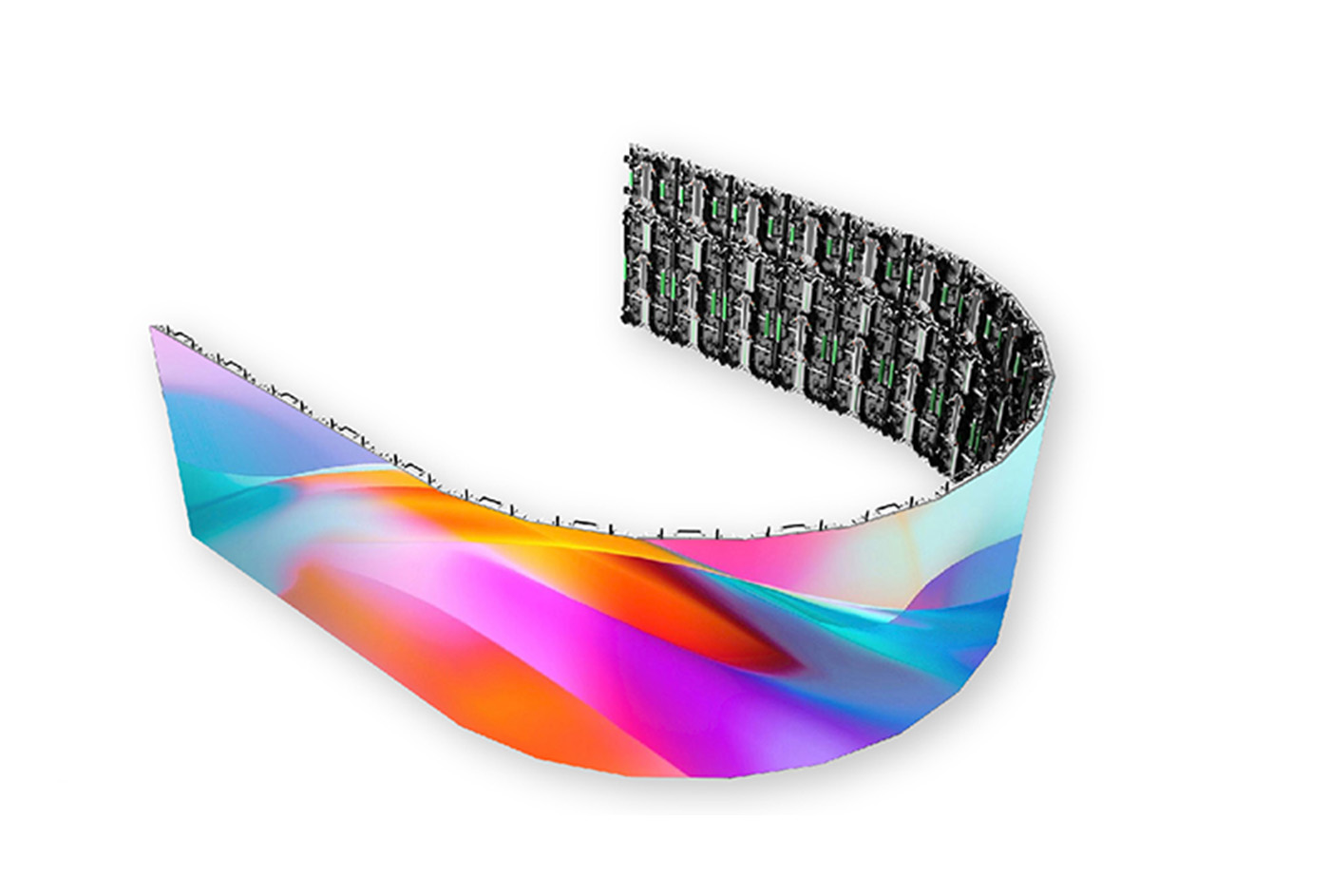
An LED screen is not a single product but a complex system made up of multiple electronic, optical, and mechanical parts working together. Each component plays a critical role in image quality, stability, and reliability.
Depending on application, LED screens are commonly divided into:
Indoor LED screens (conference rooms, shopping malls, command centers)
Outdoor LED screens (billboards, building façades, stadiums)
LED video walls for commercial and broadcast use
Fine pitch LED displays for high-resolution close-viewing environments
While the working principle is the same, the materials and protection levels differ significantly between indoor and outdoor LED display systems.
The most fundamental part of any LED screen is the LED lamp itself.
Each pixel on an LED screen is made up of three tiny light sources:
Red LED
Green LED
Blue LED
By precisely controlling the brightness of each color, the screen produces millions of colors and smooth images.
SMD (Surface-Mounted Device) LEDs
Widely used in indoor LED screens and fine pitch LED displays. They offer wide viewing angles, better color uniformity, and smoother image quality.
Traditionally used in outdoor LED screens where ultra-high brightness is required, though many modern outdoor displays now also use high-brightness SMD LEDs.
Inside each LED lamp is an LED chip, which determines brightness, efficiency, color stability, and lifespan. High-quality chips ensure:
Consistent brightness
Accurate color reproduction
Long service life (often over 100,000 hours)
The quality of LED lamps and chips directly affects the overall performance of the LED display.
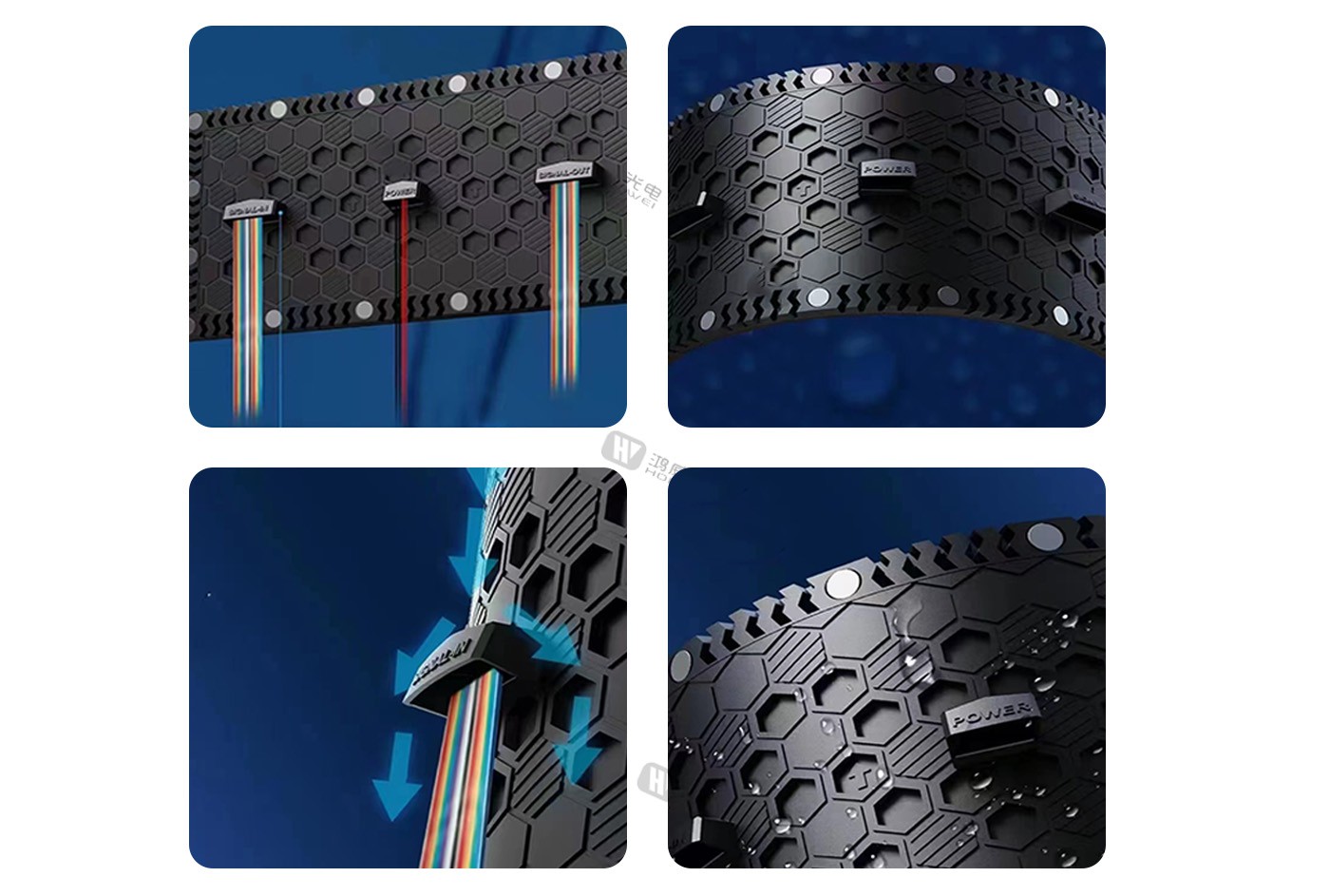
An LED module is the smallest standardized display unit of an LED screen.
An LED module combines:
LED lamps
A PCB (Printed Circuit Board)
Driver ICs
Power and signal connectors
Modules are assembled together to form larger display areas.
Indoor LED modules
Smaller pixel pitch, lower brightness, optimized for close viewing.
Outdoor LED modules
Higher brightness, waterproof design, stronger structural protection.
LED modules allow flexible screen sizes and simplify installation, maintenance, and replacement in both indoor and outdoor LED video wall projects.
The control system is the “brain” of an LED screen, responsible for receiving and processing video signals.
The sending card receives video content from a computer, media player, or camera and sends processed data to the display system.
Installed inside each cabinet, the receiving card distributes image data to the connected LED modules and ensures synchronized display.
A video processor handles:
Signal scaling
Image stitching
Multi-source input management
This is especially important for large LED video walls and complex display layouts.
Software allows users to:
Adjust brightness and color
Configure resolution and mapping
Manage content playback
A stable control system ensures smooth, flicker-free images.
The power supply system provides stable electrical energy to the LED screen.
Converts AC power to low-voltage DC power (usually 5V)
Distributes power evenly across modules
Protects against voltage fluctuations and overloads
High-quality power supplies improve energy efficiency and reduce the risk of sudden screen failures, which is especially critical for outdoor LED screens operating 24/7.
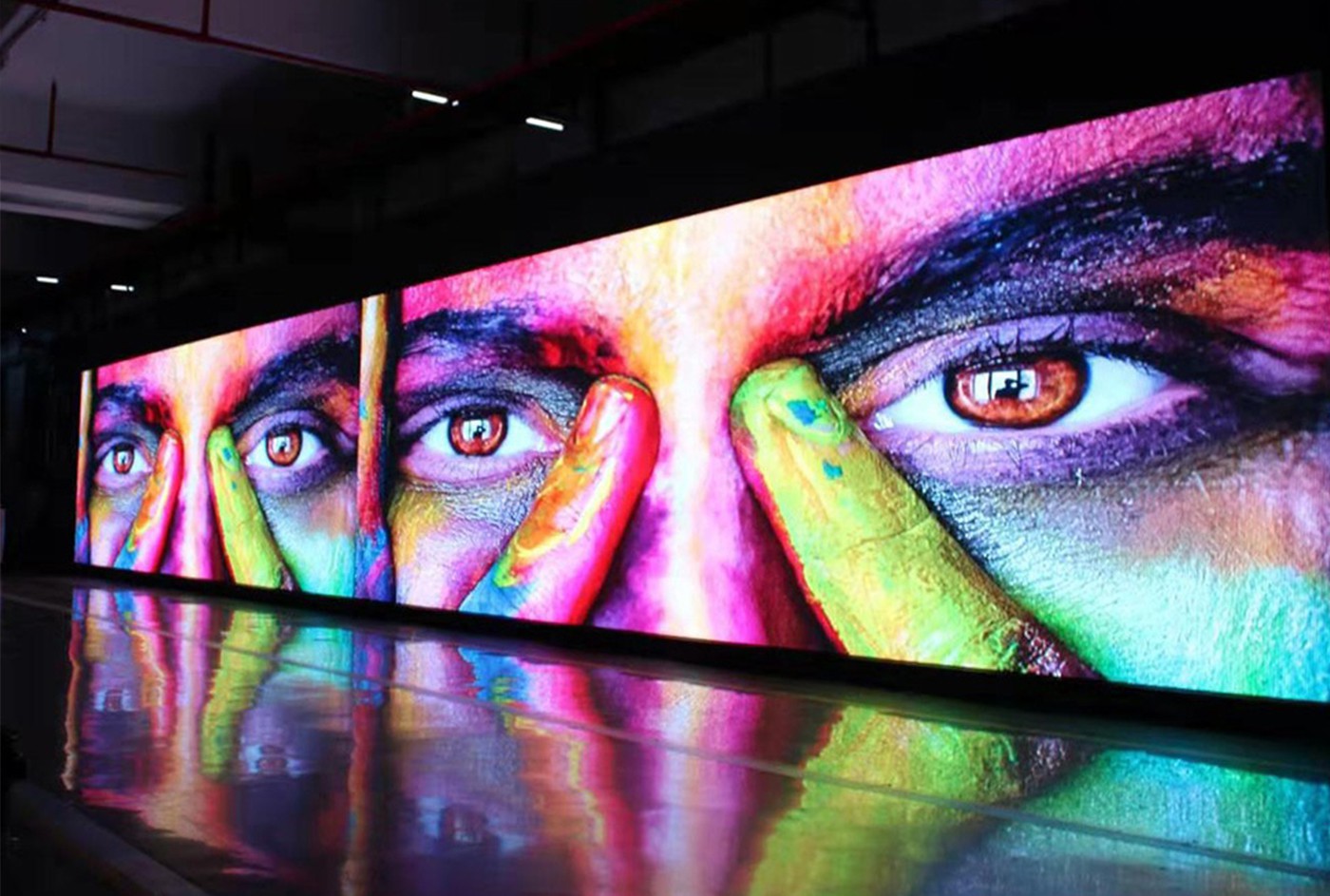
The cabinet is the mechanical framework that holds all components together.
Steel cabinets
Strong and cost-effective, commonly used for fixed outdoor LED screens.
Aluminum cabinets
Lightweight and corrosion-resistant.
Die-cast aluminum cabinets
High precision and excellent flatness, widely used for rental LED displays and premium LED video walls.
Front-service or rear-service access
Mounting brackets and frames
Flatness and alignment systems
Cabinet quality directly affects installation accuracy, screen flatness, and long-term reliability.
An LED screen uses multiple cables and connectors, including:
Ribbon cables for data transmission
Power cables
Network cables or fiber optics for long-distance signal transfer
Reliable connections reduce signal loss and maintenance issues.
LED screens generate heat during operation. Cooling solutions include:
Passive heat dissipation through cabinet design
Ventilation systems or cooling fans
Proper thermal management protects LED chips and electronic components.
Especially for outdoor LED screens, protection is essential:
Waterproof and dustproof seals
Conformal coating on PCBs
Anti-corrosion treatment
Surge and lightning protection
These features ensure stable performance in harsh environments.
An LED screen is a sophisticated display system made of LED lamps, chips, modules, control systems, power supplies, cabinets, and protective components. Each material and component contributes to brightness, color accuracy, durability, energy efficiency, and overall lifespan.
Understanding what an LED screen is made of helps buyers choose the right indoor LED screen, outdoor LED screen, or LED video wall solution based on real project requirements rather than marketing claims alone. High-quality components lead to better visual performance, lower maintenance costs, and longer service life.
Hongwei LED specializes in providing one-stop LED display solutions and complete LED video wall systems worldwide. From indoor fine pitch LED displays to large outdoor LED screens, Hongwei LED designs and manufactures customized LED display solutions in any size, shape, resolution, or installation type—ensuring reliable performance and outstanding visual impact for every project.
By continuing to use the site you agree to our privacy policy Terms and Conditions.