LED displays have become an essential part of modern advertising, entertainment, broadcasting, conferences, retail, and public communication. Whether you are installing an indoor video wall, an outdoor billboard, or a stage rental screen, one of the most important decisions you need to make is choosing the right LED display pixel pitch.
Pixel pitch directly affects image quality, viewing distance, screen resolution, and overall project cost. Choosing the wrong pixel pitch may lead to poor visual performance or unnecessary expenses. In this article, we will explain what LED display pixel pitch is, why it matters, and how to select the best option for your application.
Pixel pitch refers to the distance between the centers of two adjacent LED pixels, usually measured in millimeters (mm). It is commonly represented by the letter “P.” For example:
P1.25 means the distance between pixels is 1.25 mm
P2.5 means the pixel spacing is 2.5 mm
P10 means the spacing is 10 mm
The smaller the pixel pitch, the more LEDs are packed into the display, resulting in higher pixel density and better image clarity. A larger pixel pitch means fewer pixels per square meter and lower resolution, but it is usually more cost-effective for long-distance viewing.
In simple terms:
Smaller pixel pitch = higher resolution + closer viewing
Larger pixel pitch = lower cost + longer viewing distance
Pixel pitch is one of the key factors that determine the performance of an LED display. It affects several important aspects of the screen.
A smaller pixel pitch creates sharper images, smoother video playback, and clearer text. This is especially important for indoor environments where viewers are close to the screen.
The optimal viewing distance depends heavily on pixel pitch. If viewers stand too close to a large-pitch screen, they may notice visible pixel gaps and reduced image quality.
For the same screen size, a finer pixel pitch provides higher resolution because more pixels are included in the display area.
Fine-pitch LED displays are more expensive because they require more LEDs, advanced manufacturing, and more precise technology. Selecting an unnecessarily small pitch may significantly increase costs without noticeable benefits.
Viewing distance is one of the most practical ways to determine the correct pixel pitch.
A commonly used rule is:
Minimum Viewing Distance (meters) ≈ Pixel Pitch (mm)
For example:
P2 display → Best viewed from around 2 meters away
P4 display → Best viewed from around 4 meters away
P10 display → Best viewed from around 10 meters away
This rule is not absolute, but it provides a useful starting point.
Here are some general recommendations:
|
Viewing Distance |
Recommended Pixel Pitch |
|
1–3 meters |
P1.2 – P2 |
|
3–5 meters |
P2 – P3 |
|
5–8 meters |
P3 – P5 |
|
8–15 meters |
P5 – P8 |
|
15 meters and above |
P10 or larger |
The closer the audience is to the screen, the finer the pixel pitch should be.
The installation environment also plays a major role in choosing pixel pitch.
Indoor LED displays are typically viewed from shorter distances. Because viewers are closer to the screen, image detail becomes more important.
Common indoor pixel pitches include:
P1.25
P1.5
P1.8
P2
P2.5
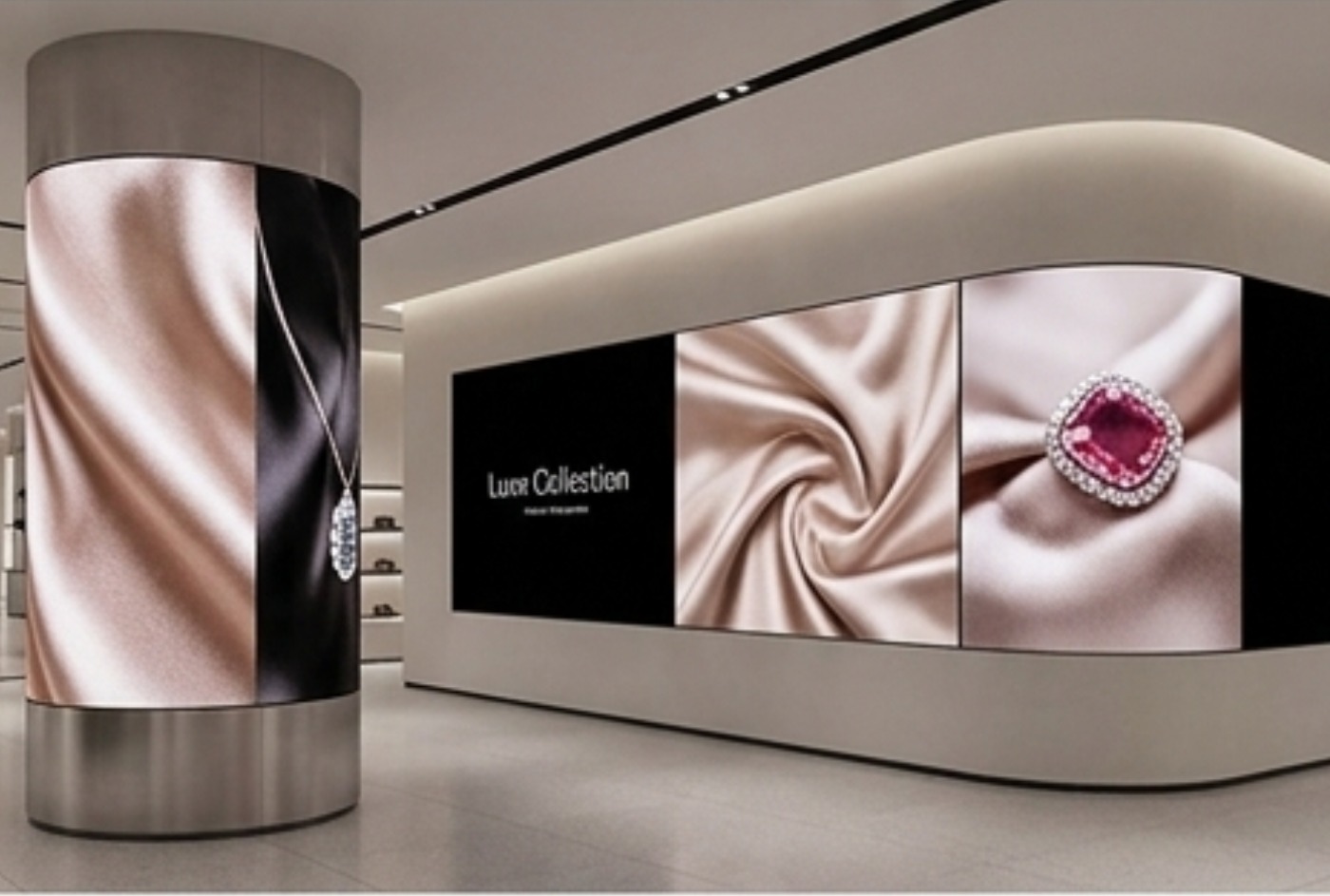
Indoor applications such as conference rooms, retail stores, TV studios, and control rooms usually require fine-pitch displays to ensure sharp visuals and comfortable viewing.
Outdoor LED displays are generally viewed from farther away. They also require high brightness and weather resistance.
Common outdoor pixel pitches include:
P4
P5
P6
P8
P10
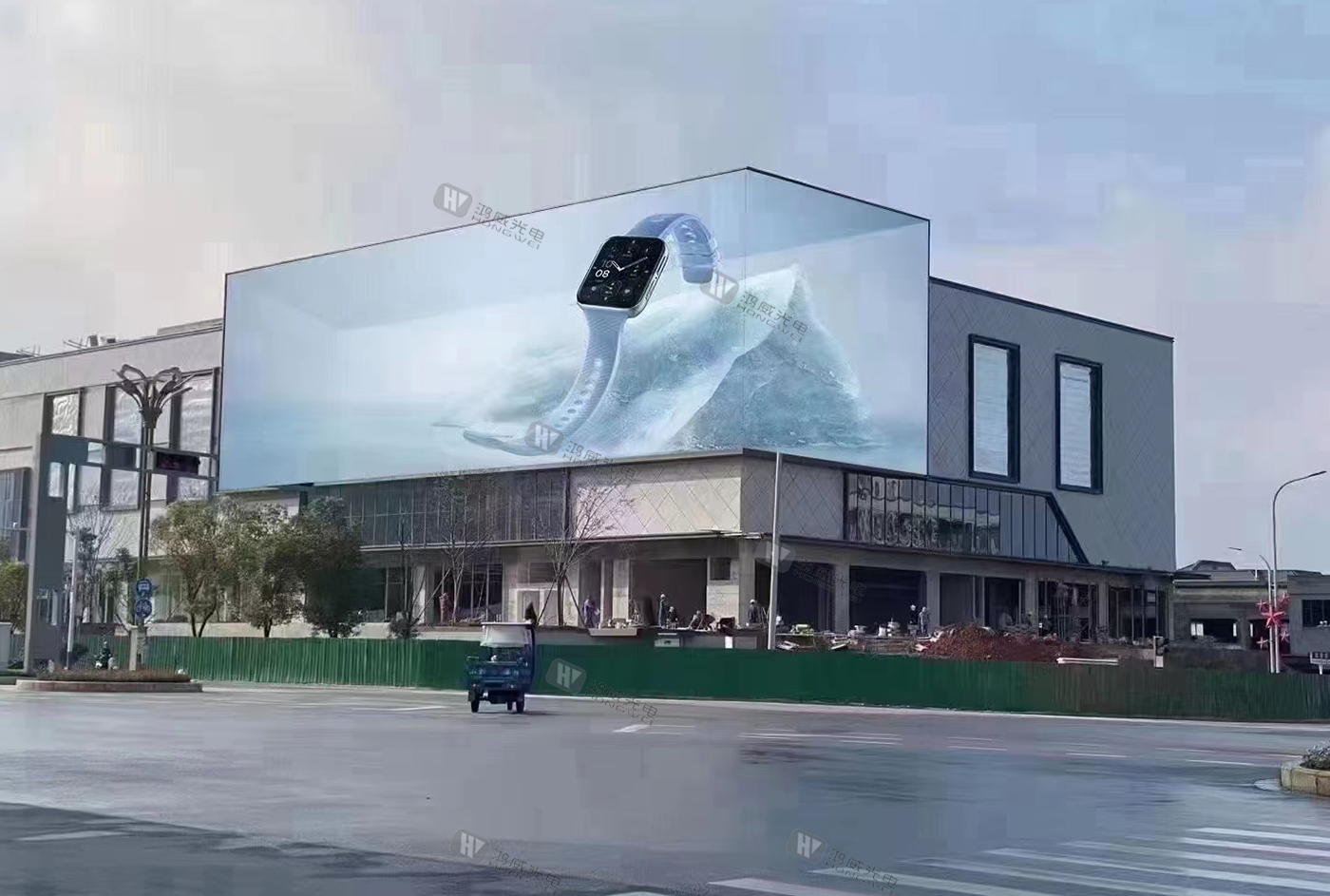
For outdoor billboards along highways or large stadium displays, larger pixel pitches are often sufficient because viewers are located farther from the screen.
Indoor displays prioritize:
High resolution
Fine detail
Close viewing comfort
Outdoor displays prioritize:
Brightness
Durability
Long-distance visibility
Cost efficiency
Different applications have different requirements for image quality and viewing distance.
Conference rooms require excellent text readability and presentation quality. Participants may sit close to the display, making fine-pitch LED screens the ideal choice.
Recommended pixel pitch:
P1.2 to P2
Retail environments need vibrant visuals to attract customers. Depending on viewing distance and budget, medium fine-pitch displays are commonly used.
Recommended pixel pitch:
P2 to P3
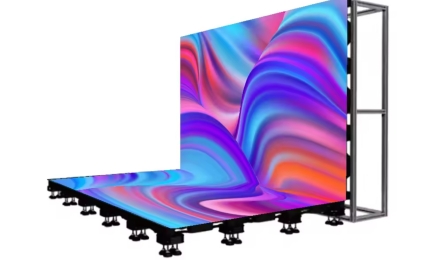
Rental LED displays are commonly used for concerts, exhibitions, and events. Since audience distances vary, flexibility is important.
Recommended pixel pitch:
Indoor rental: P2.6 to P3.9
Outdoor rental: P3.9 to P5
Large outdoor billboards are typically viewed from roads or open public spaces. Ultra-fine resolution is unnecessary in most cases.
Recommended pixel pitch:
P6 to P10
Control rooms and broadcast studios require ultra-high-definition image quality because operators and cameras capture displays at close range.
Recommended pixel pitch:
P0.9 to P1.8
Many buyers assume that smaller pixel pitch is always better, but this is not necessarily true.
Resolution depends on both:
Pixel pitch
Screen size
For example, a large P4 display may still have higher total resolution than a small P1.5 display because the screen itself is larger.
Choosing an extremely fine pixel pitch for a screen viewed from far away may provide little visible improvement while dramatically increasing costs.
The key is to balance:
Viewing distance
Screen size
Resolution requirements
Budget
Before purchasing an LED display, several practical factors should be evaluated.
Fine-pitch LED displays cost significantly more than larger-pitch models. Smaller pitches require:
More LED chips
Higher manufacturing precision
More complex control systems
It is important to choose a pixel pitch that matches your real application needs instead of simply selecting the highest resolution available.
Indoor and outdoor environments require different solutions.
Outdoor displays need:
Waterproof protection
High brightness
Weather resistance
Indoor displays focus more on:
Image quality
Viewing comfort
Lightweight design
The type of content displayed also affects your choice.
For example:
Text-heavy presentations need finer pitch
Data visualization requires sharp detail
Large video advertisements may work well with larger pitch displays
Large screens viewed from long distances do not necessarily require fine pixel pitch. Smaller screens used for close viewing often need higher pixel density.
Maintenance accessibility is another important factor.
Some displays support:
Front maintenance
Rear maintenance
Fine-pitch displays may require more careful servicing and environmental control.
|
Application |
Recommended Pitch |
|
Conference Room |
P1.2 – P2 |
|
Retail Store |
P2 – P3 |
|
TV Studio |
P1.2 – P1.8 |
|
Indoor Rental |
P2.6 – P3.9 |
|
Outdoor Rental |
P3.9 – P5 |
|
Billboard Advertising |
P6 – P10 |
|
Stadium Display |
P8 – P16 |
|
Control Room |
P0.9 – P1.5 |
Choosing the right LED display pixel pitch is essential for achieving the best balance between image quality, viewing experience, and budget. Instead of simply selecting the smallest available pitch, buyers should carefully evaluate viewing distance, installation environment, screen size, and application requirements.
Indoor displays generally require finer pixel pitches for close viewing, while outdoor displays can use larger pitches for cost-effective long-distance visibility. Understanding your audience and display purpose will help you make the most suitable decision.
If you are planning an LED display project and need professional guidance, working with an experienced manufacturer can help you select the ideal solution for your specific needs. Hongwei LED display provides a wide range of indoor and outdoor LED display solutions for advertising, events, retail, conference rooms, and commercial applications.
By continuing to use the site you agree to our privacy policy Terms and Conditions.