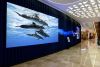
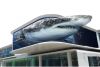
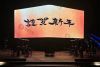
LED displays have become an essential visual communication tool for businesses, widely used in advertising, retail stores, events, transportation hubs, sports venues, and corporate spaces. They help brands deliver engaging content and create immersive visual experiences for different audiences.
However, selecting the right LED display requires careful consideration, as indoor and outdoor screens are designed for different application environments. Factors such as brightness, weather resistance, pixel pitch, viewing distance, and installation conditions can significantly influence display performance and long-term reliability.
This article explores the key differences between indoor and outdoor LED displays, including their features, applications, and technical requirements. By understanding these factors, businesses can choose the most suitable LED solution for their specific projects.
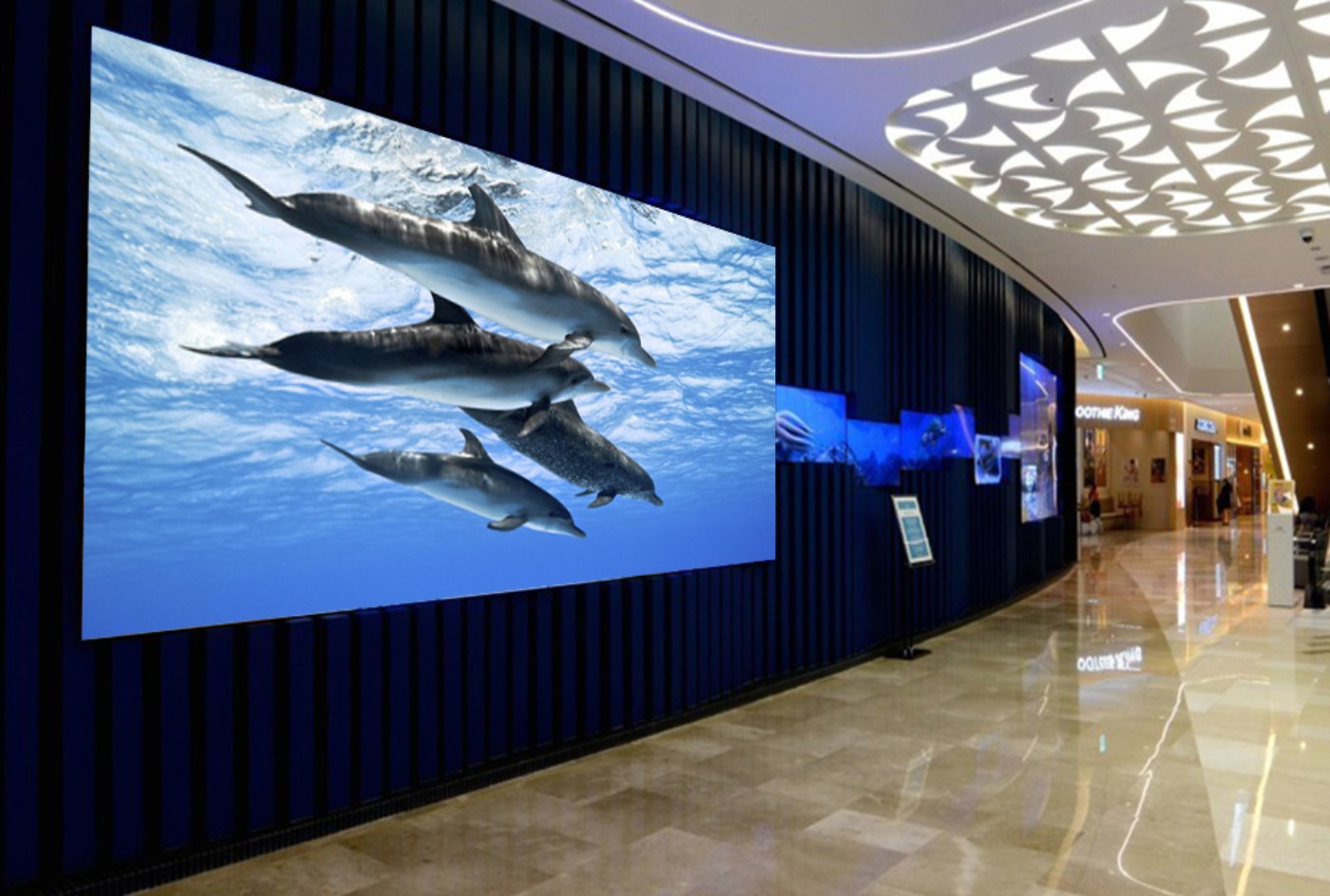
Indoor LED displays are designed for controlled environments where lighting conditions are stable and audiences usually view screens from a short distance. They feature high resolution, fine pixel pitch, lightweight structures, detailed image quality, and flexible installation options. Unlike outdoor displays, indoor LED screens prioritize visual performance and image details rather than extreme durability.
Pixel pitch refers to the distance between two LED pixels. Smaller pixel pitch delivers higher resolution and sharper images. Common options include P0.9-P1.5 for control rooms, P1.5-P2.5 for meeting spaces, and P2.5-P4 for retail stores and event halls.
Indoor LED displays are widely used in conference rooms, retail stores, theaters, exhibitions, and live events. For example, luxury brands often use fine-pitch LED video walls to showcase high-resolution content in stores.
Outdoor LED displays are designed for open-air environments where screens need to remain visible under sunlight and operate reliably in changing weather conditions. They feature high brightness, weather resistance, strong durability, long viewing distances, and large-scale installation capabilities. Outdoor LED screens focus on visibility and stable performance in challenging environments.
Outdoor LED displays usually use larger pixel pitches, such as P4-P5 for outdoor advertising display, P6-P8 for stadiums and public areas, and P10-P16 for highway billboards. Since viewers are usually farther away, larger pixel pitch can still provide clear images.
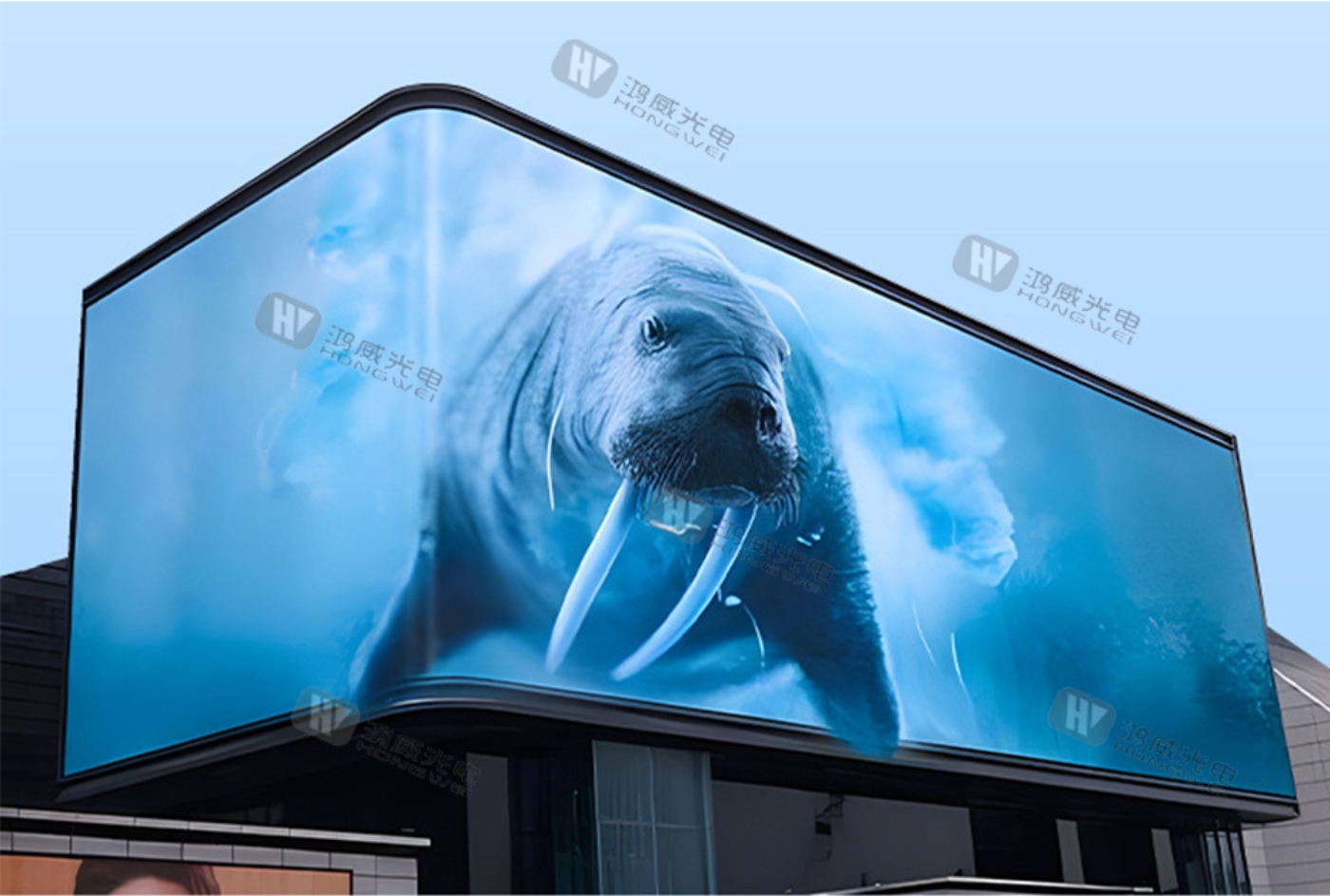
Outdoor LED displays are commonly used for digital billboards, building facades, stadium screens, transportation hubs, and public information boards. For example, highway advertising screens require high brightness and weatherproof protection to remain visible in direct sunlight and rain.
Although indoor and outdoor LED displays use similar LED technology, they are designed for different environments and performance requirements. The main differences can be seen in brightness, weather protection, pixel pitch, viewing distance, cabinet design, and maintenance needs. Understanding these factors helps businesses select the right display solution for their projects.
|
Feature |
Indoor LED Display |
Outdoor LED Display |
|
Environment |
Controlled indoor spaces with stable lighting |
Outdoor environments with changing conditions |
|
Brightness |
Usually 500-1500 nits for indoor viewing |
Usually 5000+ nits to overcome direct sunlight |
|
Weather Protection |
Limited protection, no direct exposure to rain or dust |
IP65 or higher protection against rain, dust, wind, and UV exposure |
|
Pixel Pitch |
Smaller pixel pitch for higher resolution and close viewing |
Larger pixel pitch optimized for long-distance visibility |
|
Viewing Distance |
Suitable for approximately 2-10 meters |
Suitable for 10 meters to hundreds of meters |
|
Cabinet Design |
Slim, lightweight, and flexible installation |
Strong structure with waterproof and wind-resistant design |
|
Cost & Maintenance |
Lower initial cost and easier maintenance |
Higher investment but better ROI for outdoor advertising and public communication |
|
Applications |
Retail stores, offices, conference rooms, events |
Billboards, stadiums, transportation hubs, public displays |
In general, indoor LED displays prioritize image quality and detailed viewing, while outdoor LED displays focus on brightness, durability, and reliability. The closer the audience is, the smaller pixel pitch is required; meanwhile, outdoor installations often require professional structural assessment to ensure long-term performance.
Selecting the right LED display requires evaluating several project factors:
Step 1: Consider Installation Environment
Determine whether the screen will be installed indoors or outdoors. Check for direct sunlight, rain, dust, and other environmental challenges.
Step 2: Evaluate Viewing Distance
Close viewing: Choose indoor LED displays with fine pixel pitch.
Long-distance viewing: Select outdoor LED displays with high brightness.
Step 3: Define Content Requirements
High-detail videos and images: Indoor fine-pitch LED is recommended.
Large advertisements: Outdoor LED displays are more suitable.
Step 4: Consider Long-Term Operation
Evaluate maintenance, energy consumption, lifespan, and installation conditions before making a decision.
Indoor and outdoor LED displays are designed for different environments, so they are not always interchangeable. Indoor LED displays are generally not suitable for outdoor use due to insufficient brightness, limited protection against rain and dust, and shorter lifespan in harsh conditions. Outdoor LED displays can technically be used indoors, but they are usually not recommended because excessive brightness, higher costs, and larger pixel pitch may affect viewing comfort and image quality. Specialized solutions should be selected based on specific project requirements.
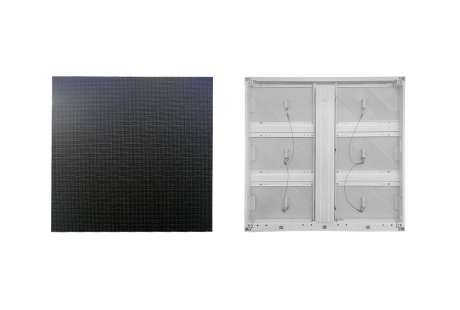
Choosing the right LED display requires considering your application, environment, and performance expectations. Start by defining the installation location, screen size, viewing distance, and content type. For projects requiring customized solutions, consider factors such as cabinet design, pixel pitch, brightness, and installation structure. It is also important to evaluate manufacturing quality, technical support, maintenance requirements, and long-term reliability. Whether for indoor video walls, outdoor advertising, or public information displays, selecting an LED display that matches your specific goals can improve visual performance and maximize return on investment.
Indoor LED displays are ideal for controlled environments requiring high resolution, fine image details, and close viewing, while outdoor LED displays are designed for high brightness, weather resistance, durability, and long-distance visibility. Understanding these differences helps businesses select the most suitable display solution for their projects.
Choosing the right LED display depends on your installation environment, viewing distance, content requirements, and application goals. As an experienced custom LED display manufacturer, HongweiLED helps global businesses design and manufacture reliable LED solutions tailored to different project needs. Contact HongweiLED today to discuss your customized LED display requirements.
By continuing to use the site you agree to our privacy policy Terms and Conditions.