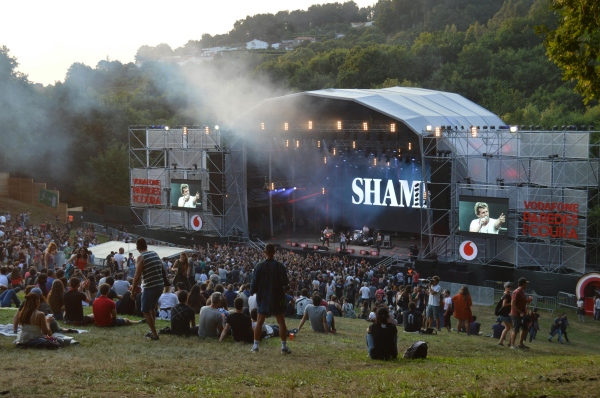
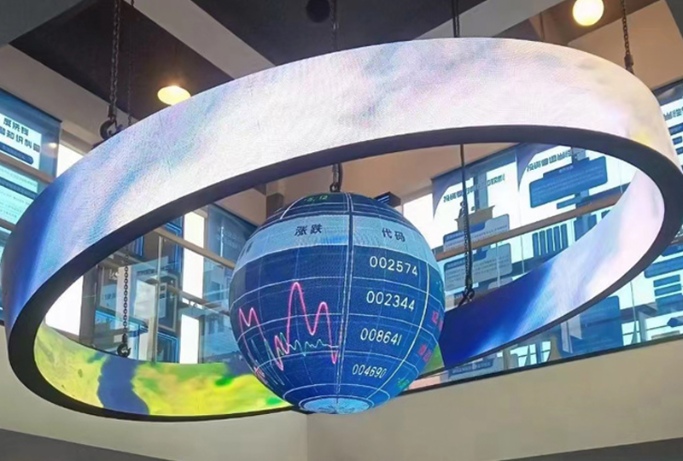
LED displays have become an essential visual solution for advertising, retail stores, stadiums, corporate meeting rooms, transportation hubs, and entertainment venues. Their bright colors, dynamic content capabilities, and strong audience impact make them one of the most effective display technologies available today.
However, one of the most common questions buyers ask is: why do LED display prices vary so much? Two screens that appear similar in size can have dramatically different price tags. Some projects cost only a few thousand dollars, while others require major investments.
The reason is simple: LED displays are highly customizable products. Their price depends on technical specifications, materials, installation conditions, and long-term performance requirements. In this article, we will explain the main factors that affect LED display price and how to choose the right option for your budget.
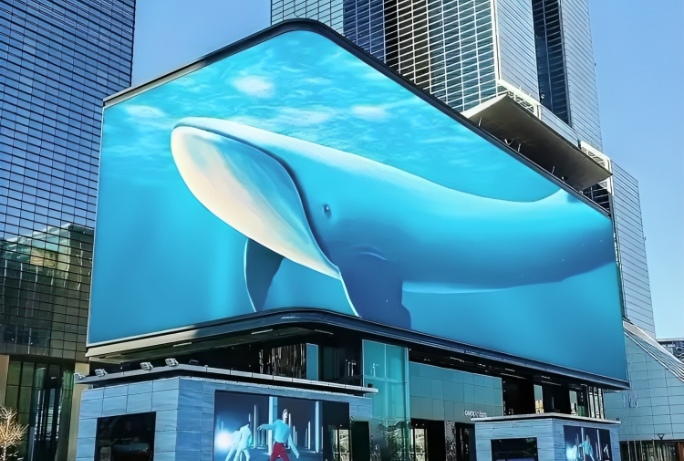
Unlike standard consumer electronics, LED displays are often built to suit specific projects. A screen for a retail store entrance has very different requirements from a stadium scoreboard or roadside billboard.
Pricing depends on factors such as:
Resolution and pixel pitch
Indoor or outdoor use
Brightness level
Cabinet material
Control system
Installation structure
Brand quality and warranty
Because of these variables, there is no universal price for an LED display. Instead, the final cost reflects the combination of features selected for the project.
Pixel pitch is one of the most important price factors. It refers to the distance between two adjacent LED pixels, usually measured in millimeters.
A smaller pixel pitch means:
Higher pixel density
Sharper image quality
Better close-range viewing
Higher manufacturing precision
Examples:
P1.25 / P1.56 – premium indoor conference rooms and control centers
P2.5 / P3 – retail stores, showrooms, meeting rooms
P5 / P6 – medium-distance advertising
P8 / P10 – outdoor billboards and highways
The smaller the pitch, the more LEDs are required per square meter, so the price increases significantly.
Larger LED displays naturally cost more because they require more modules, cabinets, power supplies, cables, and structural support.
Most LED screens are quoted by square meter or square foot, but total cost also depends on:
Aspect ratio
Irregular shapes
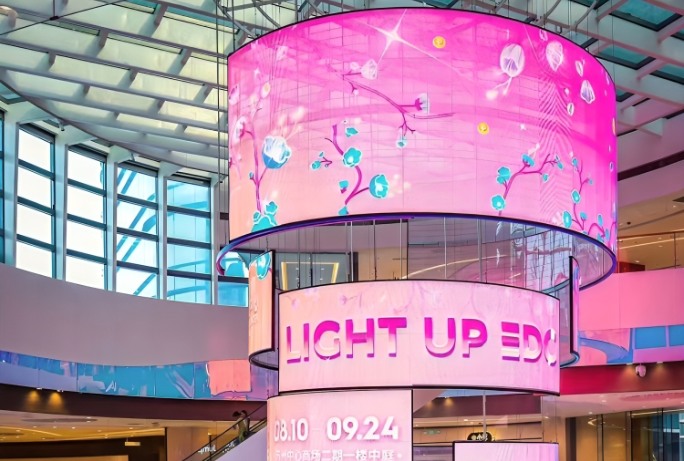
Curved design
Additional framing
A simple rectangular display is usually more economical than a custom-shaped installation of the same size.
Outdoor LED displays are generally more expensive than indoor models because they require stronger engineering standards.
Outdoor screens need:
Higher brightness for sunlight visibility
Waterproof protection
Dust resistance
Heat dissipation systems
Stronger metal cabinets
Wind load resistance
Indoor LED displays do not need these protections, so they are usually lower in price when comparing similar pixel pitches.
Brightness is measured in nits. Higher brightness means better visibility under strong ambient light.
Typical ranges:
Indoor screens: 600–1,500 nits
Semi-outdoor screens: 2,000–4,000 nits
Outdoor screens: 5,000–10,000+ nits
Higher brightness requires stronger LEDs, better power systems, and more heat management, which increases cost.
For example, a city-center billboard exposed to direct sunlight needs much higher brightness than a shopping mall indoor wall.
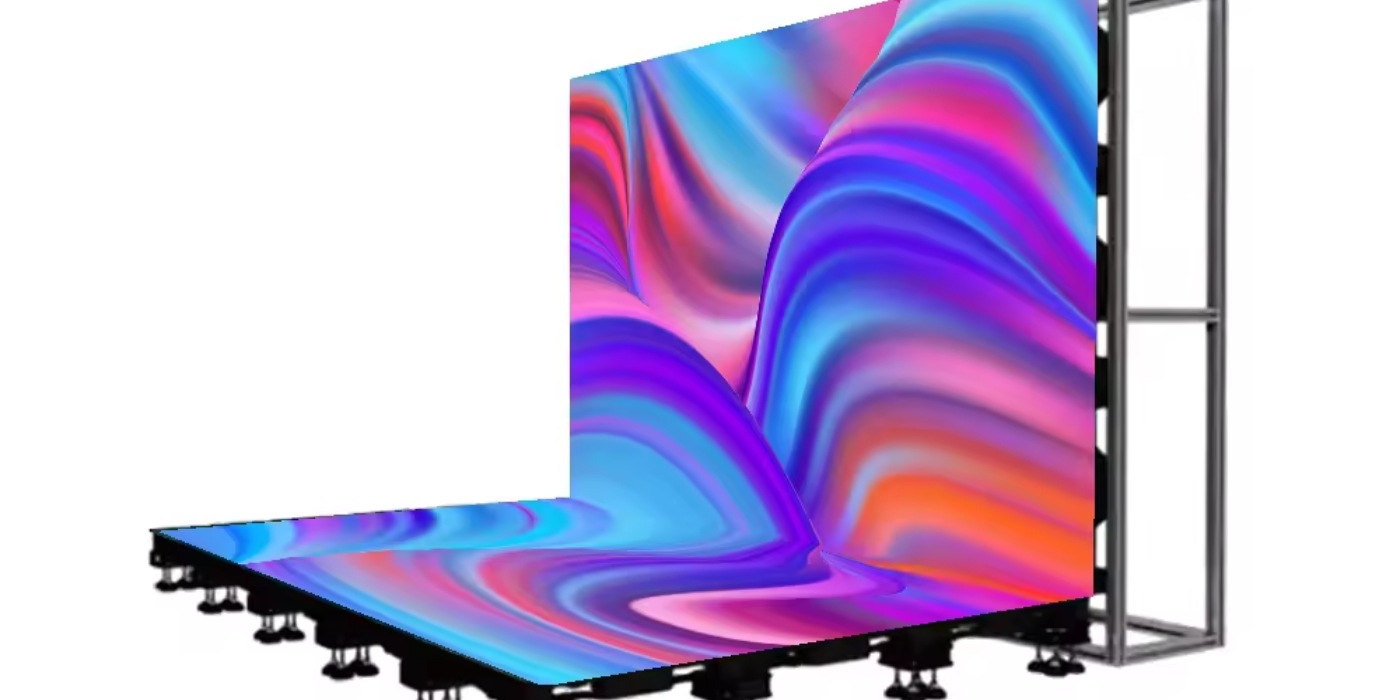
Not all LEDs are equal. The chip inside each LED lamp has a direct effect on display quality, lifespan, and consistency.
Premium chips often provide:
Better color uniformity
Longer service life
Lower failure rates
Stronger brightness retention
Improved energy efficiency
Lower-cost chips may reduce upfront pricing but can lead to dead pixels, color mismatch, or frequent maintenance later.
The cabinet is the structural frame that holds the LED modules and electronics. Material choice affects both price and performance.
Steel Cabinets
Lower cost
Strong and durable
Heavier weight
Aluminum Cabinets
Lighter weight
Better heat dissipation
Easier installation
Die-Cast Aluminum Cabinets
High precision
Premium appearance
Ideal for rental and fine-pitch use
Higher cost
Projects requiring easy maintenance or frequent transport usually benefit from better cabinet materials.
Refresh rate determines how smoothly the screen displays moving images, especially on camera.
Higher refresh rates are important for:
Concert stages
TV broadcasting
Sports arenas
Virtual production
Live events
A standard commercial screen may be acceptable for static advertising, but premium video applications often require higher refresh rates, increasing cost.
Every LED display needs a control system to manage content playback.
This may include:
Sending cards
Receiving cards
Video processors
Cloud management systems
Remote monitoring software
Basic systems are more affordable, while advanced processors with scaling, synchronization, multi-input support, and remote diagnostics cost more.
The screen itself is only part of the project. Mounting systems can significantly affect budget.
Examples include:
Wall-mounted frames
Pole-mounted roadside structures
Hanging truss systems
Roof installations
Ground-supported steel frames
Large outdoor billboards may require engineering approval and heavy steel construction.
LED displays are large, heavy, and fragile electronic products. Shipping costs may include:
Export packaging
Sea freight or air freight
Customs duties
Inland transportation
Insurance
International buyers should always include logistics in total project budgeting.
LED displays can be serviced from the rear or the front.
Rear Maintenance
Lower equipment cost
Requires rear access space
Front Maintenance
Saves installation space
Better for wall-mounted urban projects
Usually higher cost due to special hardware
Longer warranty coverage and spare modules may increase upfront pricing but reduce future operational risk.
A cheaper screen without support can become expensive if failures occur later.
Choose:
Larger pixel pitch
Standard brightness
Simple cabinet design
Basic control system
Good for warehouses, temporary promotions, or distant viewing.
Choose:
Better brightness
Improved cabinet quality
Stronger warranty
Balanced resolution
Ideal for retail stores and business branding.
Choose:
Fine pixel pitch
Premium LED chips
High refresh rate
Smart remote control features
Elegant cabinet finish
Best for flagship stores, control rooms, and premium advertising locations.
Many buyers spend more than necessary because of poor planning.
Avoid these mistakes:
Buying finer pixel pitch than the audience needs
Ignoring maintenance access requirements
Choosing lowest price supplier only
Forgetting installation structure costs
Overlooking electricity consumption
No spare parts planning
A correctly specified system is more economical than an overbuilt or underbuilt one.
To receive accurate quotations, provide suppliers with:
Required screen size
Indoor or outdoor application
Viewing distance
Installation method
Local climate conditions
Desired brightness
Budget range
Also compare complete packages—not only screen price. Service, warranty, shipping, and technical support matter just as much as hardware cost.
LED display price is influenced by many factors, including pixel pitch, screen size, brightness, indoor or outdoor use, cabinet material, control systems, installation complexity, and after-sales support.
The cheapest option is not always the most economical over time. A reliable display with stable performance and lower maintenance often delivers stronger long-term value.
The best buying strategy is to match technical specifications to your real project needs instead of paying for unnecessary features or sacrificing quality for a lower quote.
For businesses looking for dependable LED display solutions with professional customization and competitive value, Hongwei LED display.
By continuing to use the site you agree to our privacy policy Terms and Conditions.