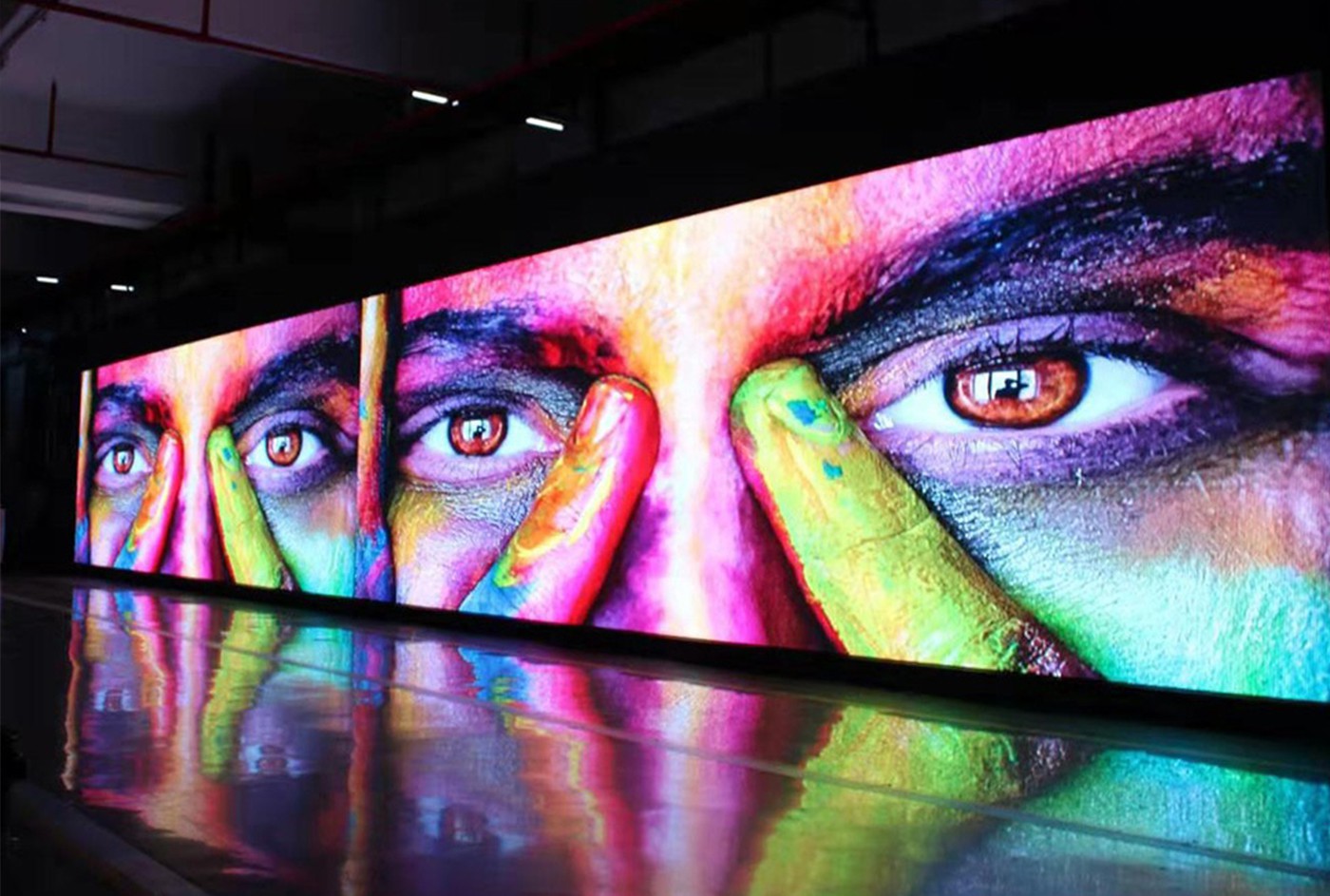
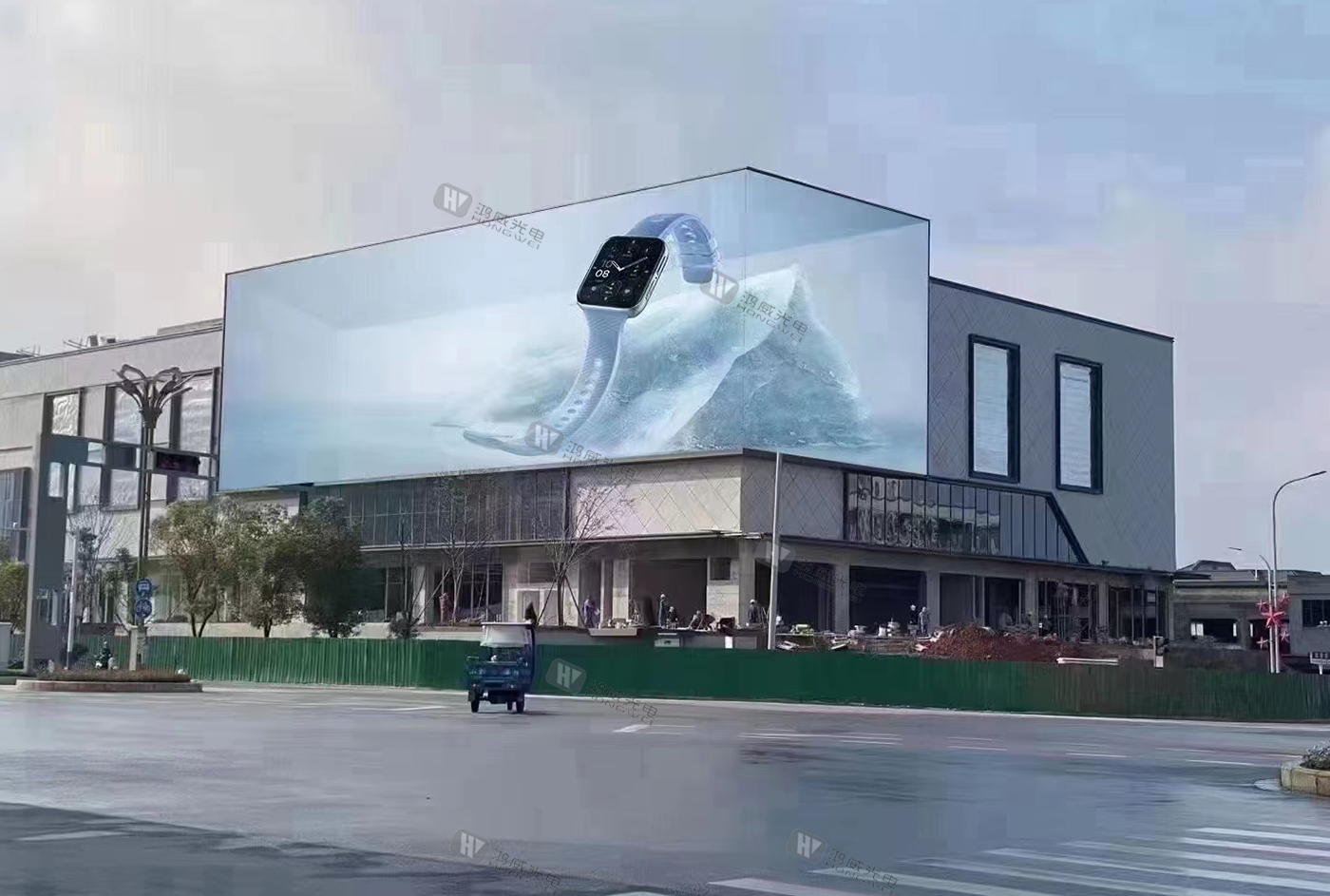
Outdoor LED screens have become one of the most powerful tools in modern advertising. From highway billboards to shopping malls and stadiums, these digital displays dominate visual communication in public spaces. Their ability to deliver dynamic, high-impact content in real time has made them a preferred choice over traditional static signage.
But with so many specifications, technologies, and configurations available, one key question arises: what is the best outdoor LED screen for advertising? The answer depends on several technical and environmental factors, including brightness, pixel pitch, durability, and installation context. This article breaks down everything you need to know to make the right choice.
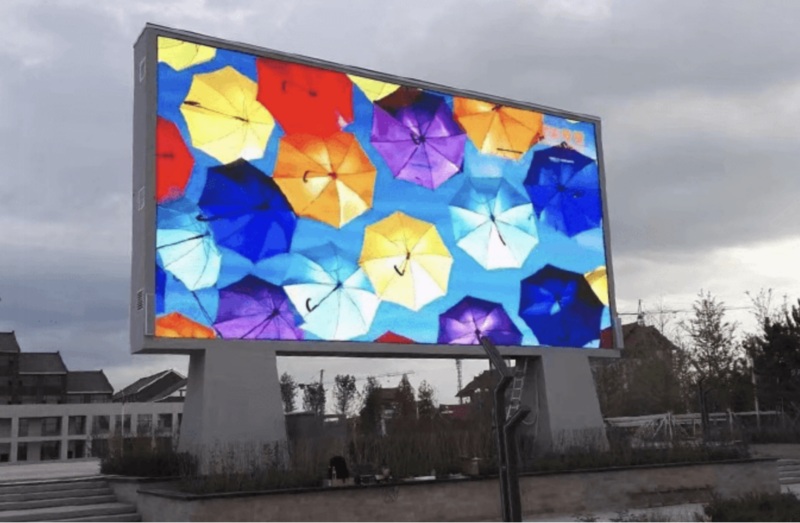
An outdoor LED screen is a large digital display made up of light-emitting diodes (LEDs) designed specifically for external environments. Unlike indoor displays, outdoor LED screens are engineered to withstand sunlight, rain, dust, temperature fluctuations, and other harsh weather conditions.
These screens are widely used in advertising because they can display:
High-resolution videos
Animated advertisements
Real-time promotional content
Brand messages and public information
Their versatility allows advertisers to update content instantly without printing costs, making them far more flexible than traditional billboards.
Common application scenarios include roadside billboards, building facades, stadium screens, transportation hubs, and retail storefronts.
Choosing the best outdoor LED screen is not about selecting the most expensive model, but about matching performance to usage conditions. Several technical parameters determine whether a screen is suitable for a specific advertising environment.
One of the most critical factors for outdoor LED screens is brightness. Since these displays operate under direct sunlight, they must be bright enough to remain clearly visible during the day.
A high-quality outdoor LED screen typically offers brightness levels ranging from 5,000 to 10,000 nits. Lower brightness may result in washed-out visuals, reducing advertising effectiveness. In contrast, higher brightness ensures that content remains sharp and vivid even under intense sunlight.
Outdoor environments are unpredictable, so durability is essential. The best outdoor LED screens are built with high protection standards, typically rated IP65 or higher, meaning they are resistant to dust and water jets.
This ensures stable performance during rain, humidity, wind, and dust exposure. Strong cabinet design and corrosion-resistant materials also extend the lifespan of the screen, especially in coastal or industrial areas.
Pixel pitch refers to the distance between two LED pixels and directly affects image clarity. The smaller the pixel pitch, the higher the resolution and image sharpness.
P3–P4: Suitable for close viewing, such as storefronts or urban advertising
P5–P6: Balanced option for mid-range viewing distances
P8–P10: Ideal for highways or long-distance viewing
Choosing the right pixel pitch depends heavily on how far the audience will be from the screen. A mismatch can either waste budget or reduce visual impact.
A high-quality outdoor LED screen is a long-term investment. Most reliable systems offer lifespans of 50,000 to 100,000 hours, depending on usage and maintenance.
Durability is influenced by:
Cabinet material strength
Heat dissipation design
Anti-UV and anti-corrosion coating
Stable power supply systems
A durable screen reduces downtime and maintenance costs, which is critical for advertising operations that run 24/7.
With continuous operation, energy consumption becomes an important factor. Modern outdoor LED screens incorporate energy-saving technologies such as:
Automatic brightness adjustment based on ambient light
Efficient power supply systems
Low-power LED chips
Energy-efficient systems not only reduce operating costs but also support environmentally friendly advertising strategies.
There is no universal “best” LED screen; instead, the ideal choice depends on where it will be used.
For highways, viewers are typically far away and moving at high speeds. Therefore, the focus is on visibility rather than ultra-high resolution.
The best choice here is typically:
Pixel pitch: P8 to P10
High brightness for daylight visibility
Large screen size for long-distance impact
These screens are designed to capture attention quickly and deliver simple, bold messages.
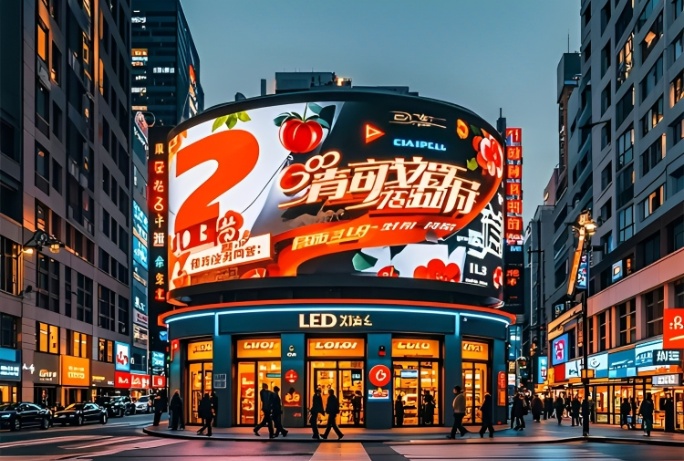
Urban environments require a balance between resolution and brightness. Pedestrians and drivers are closer to the screen, so clarity becomes more important.
Ideal specifications include:
Pixel pitch: P3.9 to P5
High refresh rate for smooth video playback
Strong contrast and color accuracy
These screens are often used for brand campaigns, product promotions, and digital art installations.
Retail environments require eye-catching visuals to attract foot traffic. Here, design and visual quality are critical.
Recommended features:
High resolution (P2.5–P4 range)
Compact installation formats
High color saturation for branding impact
These screens are especially effective for fashion stores, restaurants, and shopping centers.
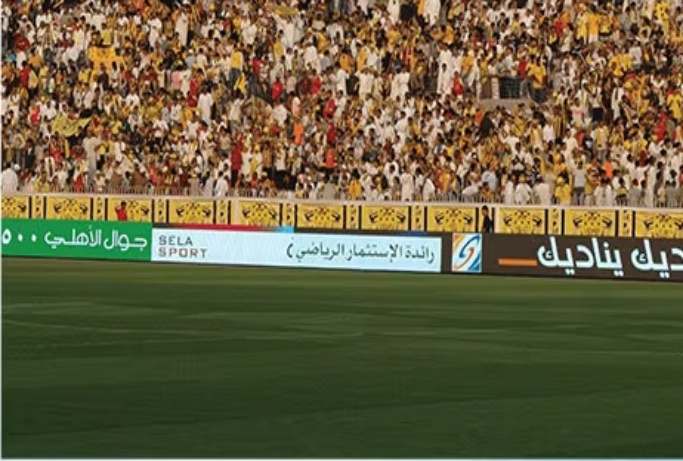
Stadium LED screens are designed for large audiences and dynamic content such as live video, scores, and advertisements.
Key requirements include:
Wide viewing angles
High refresh rate for fast motion
Large-scale modular structure for flexible installation
These systems prioritize visibility and performance over ultra-fine detail.
Compared to traditional printed billboards, outdoor LED screens offer several major advantages.
First, they allow dynamic content updates, meaning advertisers can change campaigns instantly without reprinting costs. Second, they support video and animation, which significantly increases audience engagement compared to static images.
Additionally, multiple advertisements can rotate on a single screen, maximizing revenue potential. Over time, this leads to a higher return on investment despite higher initial installation costs.
Selecting the right screen requires a practical evaluation of several factors:
Installation environment (urban, highway, indoor-facing outdoor)
Viewing distance and audience speed
Weather and climate conditions
Daily operating hours
Budget constraints
Maintenance and technical support availability
A well-balanced decision ensures long-term performance and cost efficiency rather than focusing only on upfront price.
Many buyers make avoidable mistakes when purchasing outdoor LED screens:
One common issue is choosing a screen based solely on price, which often leads to poor brightness or low durability. Another mistake is selecting the wrong pixel pitch, resulting in either unnecessary cost or poor image quality.
Ignoring waterproof ratings is also risky, especially in regions with heavy rainfall or humidity. Finally, underestimating maintenance requirements can lead to unexpected downtime and higher long-term expenses.
There is no single “best” outdoor LED screen for all situations. The ideal choice depends on how and where it will be used.
For highways and long-distance viewing, P8–P10 screens are most suitable. For urban advertising, P4–P6 offers a strong balance between clarity and cost. For close-range or premium advertising environments, P2.5–P3.9 provides superior visual performance.
Ultimately, the best outdoor LED screen is one that matches your advertising goals, environmental conditions, and budget while ensuring long-term stability and performance.
For businesses seeking a reliable solution with strong engineering support and professional customization options, Hongwei LED display delivers outdoor LED screen systems designed to maximize advertising impact in real-world conditions.
By continuing to use the site you agree to our privacy policy Terms and Conditions.