LED display technology is widely used across advertising, events, retail environments, transportation hubs, and entertainment productions. While the core technology is the same, the way an LED display is designed and used can be completely different depending on the application.
Two of the most important categories in the industry are rental LED displays and fixed LED displays. Although they may look similar at first glance, they are engineered for very different operational requirements. Choosing the wrong type can lead to unnecessary cost, installation difficulties, or poor long-term performance.
This article explains the key differences between rental and fixed LED displays, their advantages, use cases, and how to choose the right solution for your project.
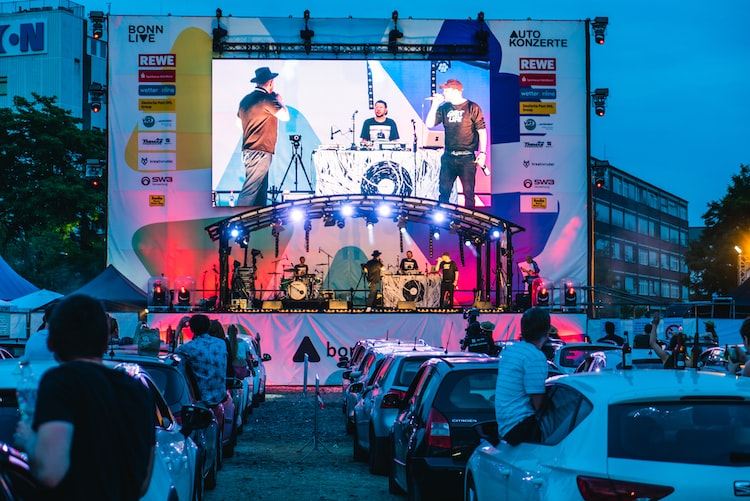
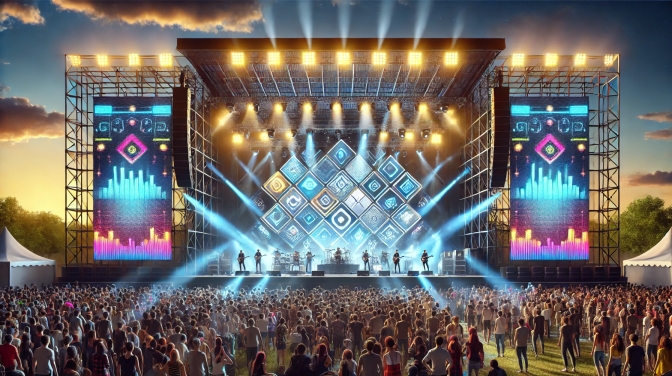
A rental LED display is designed for temporary use scenarios where screens need to be frequently assembled, disassembled, transported, and reused. It is commonly used in live events where flexibility and speed are essential.
Typical applications include concerts, exhibitions, stage performances, weddings, corporate events, and touring productions.
Unlike fixed installations, rental LED screens are built to handle repeated handling and movement. This means they prioritize portability, structural protection, and fast installation over permanent mounting stability.
Key characteristics of rental LED displays include modular design, lightweight cabinets, and quick locking systems that allow technicians to build large video walls in a very short time.
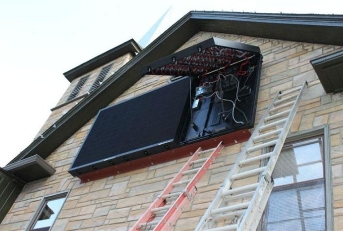
A fixed LED display is designed for long-term or permanent installation in one location. Once installed, it is usually not moved for many years and operates continuously as part of a building or advertising structure.
Fixed LED displays are commonly used in outdoor billboards, shopping malls, retail storefronts, stadiums, transportation hubs, and corporate branding installations.
Because they are not meant to be frequently moved, fixed LED displays focus on durability, structural stability, weather resistance, and cost efficiency over time.
These systems are often customized according to the installation environment, including wall-mounted, embedded, or pole-supported structures.
Although both types serve visual communication purposes, their design priorities are fundamentally different. The comparison below highlights the most important distinctions.
|
Aspect |
Rental LED Display |
Fixed LED Display |
|
Usage Type |
Temporary / Event-based |
Permanent installation |
|
Portability |
High (frequent movement) |
Low (fixed location) |
|
Installation Speed |
Very fast |
Slower, one-time installation |
|
Structural Design |
Lightweight, protective corners |
Strong, stable framework |
|
Maintenance Style |
Quick replacement during events |
Scheduled long-term maintenance |
|
Application Focus |
Events and staging |
Advertising and continuous display |
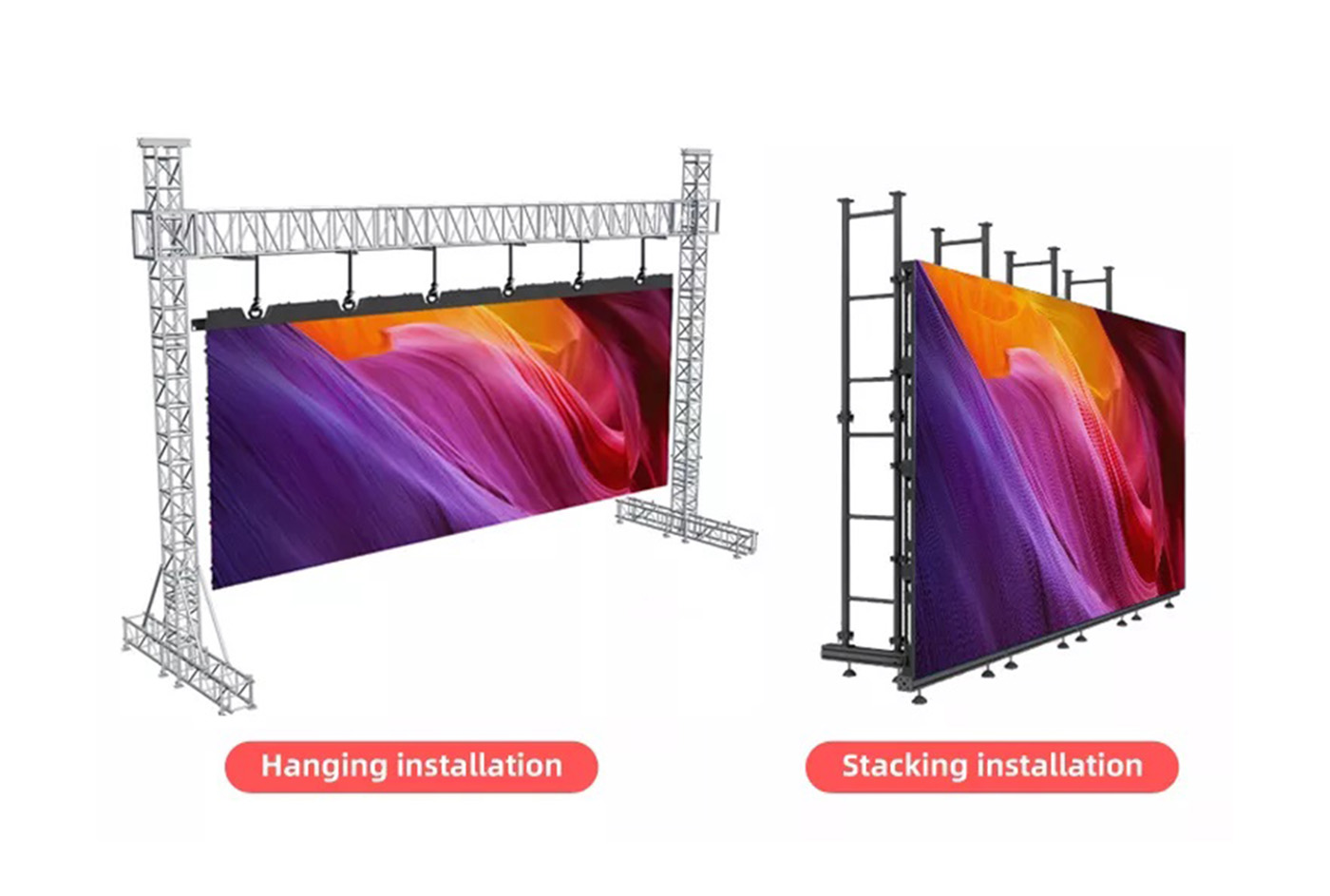
Rental LED displays are engineered for speed. In event environments, time is critical, so these systems use fast-lock mechanisms that allow cabinets to be assembled like building blocks. This reduces setup time significantly and allows large screens to be installed in hours instead of days.
Fixed LED displays, however, require a more permanent structural system. Depending on the project, they may involve steel frameworks, wall mounting, or even architectural integration into buildings. The installation process is slower but results in a more stable long-term solution.
In short:
Rental = speed and flexibility
Fixed = stability and permanence
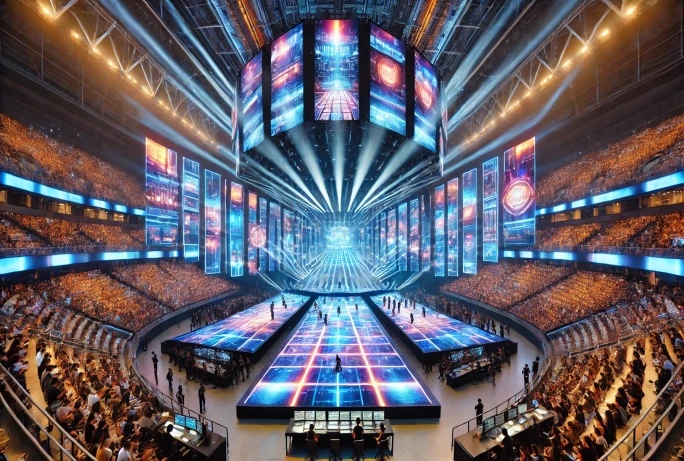
Rental LED displays are widely used in the entertainment and event industry because of their flexibility. However, they also come with trade-offs.
Advantages
Rental systems are designed for repeated use, making them highly efficient for companies that handle multiple events. Their lightweight structure makes transportation easier, and their modular design allows creative stage configurations. High refresh rates also make them suitable for camera filming and live broadcasting.
Limitations
Because they are designed for mobility, rental LED displays usually cost more per unit compared to fixed systems. They also experience more physical wear due to frequent transport and require proper storage space and logistics management between events.
Fixed LED displays are optimized for long-term performance and cost efficiency in permanent installations.
Advantages
Fixed systems are more cost-effective over long periods because they are designed for continuous operation. They are highly stable, often more weather-resistant (for outdoor models), and require less frequent replacement. Once installed, they provide consistent performance with minimal operational disruption.
Limitations
The main drawback is lack of flexibility. Once installed, fixed LED displays are not easy to move or modify. Initial installation can also be more complex and time-consuming, especially for large outdoor structures.
Different use cases clearly define which type is more suitable. The table below summarizes typical applications.
|
Scenario |
Recommended Type |
Reason |
|
Concerts & Music Festivals |
Rental |
Fast setup and teardown |
|
Trade Shows |
Rental |
Temporary booth installations |
|
Corporate Events |
Rental |
Short-term use |
|
Retail Store Advertising |
Fixed |
Continuous branding display |
|
Highway Billboards |
Fixed |
Long-term outdoor operation |
|
Shopping Malls |
Fixed |
Permanent customer engagement |
|
Touring Shows |
Rental |
Frequent relocation |
In general, if the display needs to move frequently, rental is the better choice. If it stays in one location for years, fixed is more efficient.
Cost is not just about purchase price—it is about total lifecycle value.
Rental LED displays often have a higher upfront cost per cabinet because they are built with stronger structural materials and locking systems. However, they are reused across multiple events, which spreads the cost over time.
Fixed LED displays usually have a lower initial hardware cost per square meter but require installation investment and are best justified when used continuously in one location.
Before making a decision, it is important to evaluate the project requirements clearly.
Ask the following questions:
Will the screen be moved frequently?
Is this a permanent installation or temporary event?
How fast does setup need to be?
What is the viewing distance?
Is the display used for filming or live broadcast?
What is the long-term budget plan?
If mobility and flexibility are key, rental LED display is the logical choice. If stability and long-term ROI are the priority, fixed LED display is more suitable.
Rental and fixed LED displays are not competing products—they are designed for different operational environments.
Rental LED displays are built for flexibility, mobility, and fast deployment, making them ideal for events and touring productions. Fixed LED displays are built for stability, durability, and long-term operation, making them the preferred choice for advertising and permanent installations.
The correct choice depends entirely on how the screen will be used, not just on price or specifications.
For businesses looking for reliable LED display solutions tailored to both event and permanent applications, Hongwei LED display provides professional systems designed to deliver stable performance, strong visual impact, and long-term value.
By continuing to use the site you agree to our privacy policy Terms and Conditions.