When choosing a display for home entertainment, professional work, commercial advertising, or large-scale digital signage, many buyers encounter a common question: Is an IPS display better than an LED display?
At first glance, IPS and LED appear to be competing technologies. However, this comparison often causes confusion because IPS and LED actually refer to different aspects of display technology. Understanding how they work—and where each performs best—is essential for making the right decision.
In this complete guide, we will explain the differences between IPS and LED displays, compare their performance, and help you determine which option is better for your specific application.
IPS stands for In-Plane Switching, a type of LCD (Liquid Crystal Display) panel technology. IPS panels were developed to overcome limitations found in earlier LCD technologies, especially narrow viewing angles and inaccurate color reproduction.
In an IPS display:
Liquid crystal molecules align parallel to the panel surface.
Light transmission remains consistent across different viewing angles.
Colors appear more accurate and stable.
Because of these advantages, IPS displays are widely used in:
Computer monitors
Laptops
Smartphones
Professional graphic design screens
Office and home entertainment displays
IPS technology focuses mainly on image quality and viewing experience at close distances.
LED stands for Light Emitting Diode, but the term “LED display” can refer to two different concepts:
LED-backlit LCD displays (commonly used in TVs and monitors)
Direct-view LED displays, where LEDs themselves generate the image
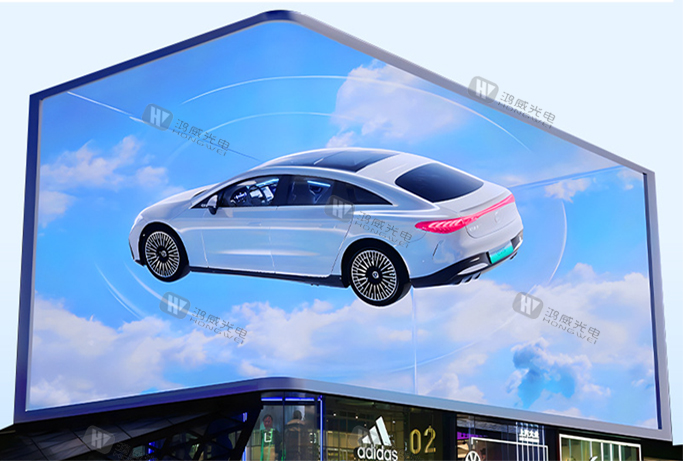
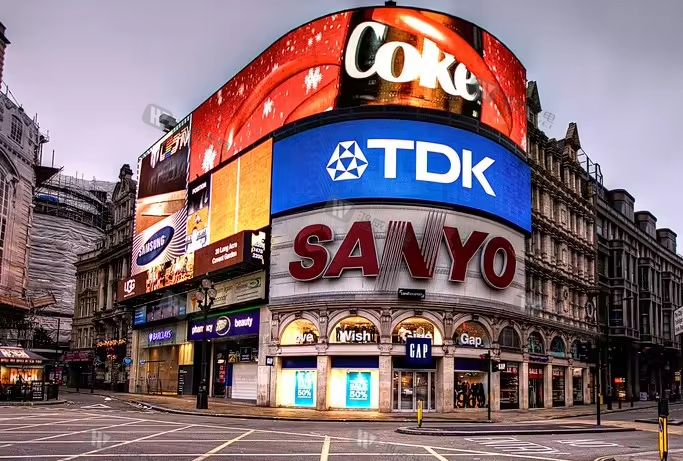
In commercial and large-format applications, LED displays typically mean direct-view LED screens, where thousands or millions of LEDs form the display surface directly.
LED displays are commonly used in:
Outdoor advertising billboards
Stadium screens
Retail digital signage
Event stages
Transportation hubs
Large indoor video walls
Unlike IPS panels, LED displays excel in brightness, scalability, and durability.
This is the most important distinction:
IPS = LCD panel technology
LED = Light source or self-emitting display technology
Many IPS monitors actually use LED backlighting, meaning IPS and LED are not always competitors. Instead, they often work together in smaller displays.
Direct-view LED screens, however, operate without LCD panels entirely.
IPS displays are known for:
Excellent color accuracy
Natural image reproduction
Consistent color performance
This makes IPS ideal for:
Photo editing
Video production
Graphic design
Office applications
LED displays prioritize:
High brightness
Dynamic visuals
Long-distance visibility
Modern LED technology has significantly improved color calibration, making it suitable even for high-end indoor video walls.
Brightness is where LED displays clearly outperform IPS.
Typical brightness levels:
IPS display: 250–500 nits
Outdoor LED display: 5,000–10,000+ nits
IPS screens struggle under strong ambient light or sunlight, while LED displays remain clearly visible outdoors. This is why outdoor advertising and stadium installations rely almost exclusively on LED technology.
IPS panels are famous for wide viewing angles, typically up to 178° horizontally and vertically.
However, large-format LED displays also provide excellent viewing performance due to modular design and advanced LED packaging technologies.
For audiences viewing from multiple positions—such as stadium spectators—LED displays perform extremely well.
IPS displays generally offer stable contrast but may show slightly gray blacks due to backlight leakage.
LED displays achieve strong contrast through brightness control and pixel-level illumination, particularly in modern fine-pitch LED systems.
IPS monitors are energy-efficient for personal use.
LED displays, despite their size, are also highly energy-efficient thanks to advanced driver ICs and intelligent brightness adjustment systems. Energy usage depends largely on screen size and operating conditions.
IPS displays are designed mainly for indoor environments and personal devices.
LED displays offer:
Longer operational lifespan (often 100,000 hours)
Resistance to temperature variations
Outdoor weather protection
Continuous 24/7 operation capability
This durability makes LED displays more suitable for commercial environments.
Excellent color accuracy
Wide viewing angles
Comfortable for close viewing
Ideal for creative professionals
Suitable for office and home use
Limited brightness
Not suitable for outdoor environments
Size scalability limitations
Fragile compared to industrial displays
Extremely high brightness
Seamless large-screen scalability
Long lifespan
Energy-efficient operation
Strong environmental adaptability
Ideal for commercial and outdoor applications
Higher initial investment
Professional installation required
Maintenance planning needed for large systems
One of the biggest misunderstandings is assuming IPS and LED compete directly.
In reality:
Many IPS monitors already use LED backlighting.
IPS describes panel behavior.
LED describes illumination or display method.
The better option depends entirely on usage scenario, not which technology sounds more advanced.
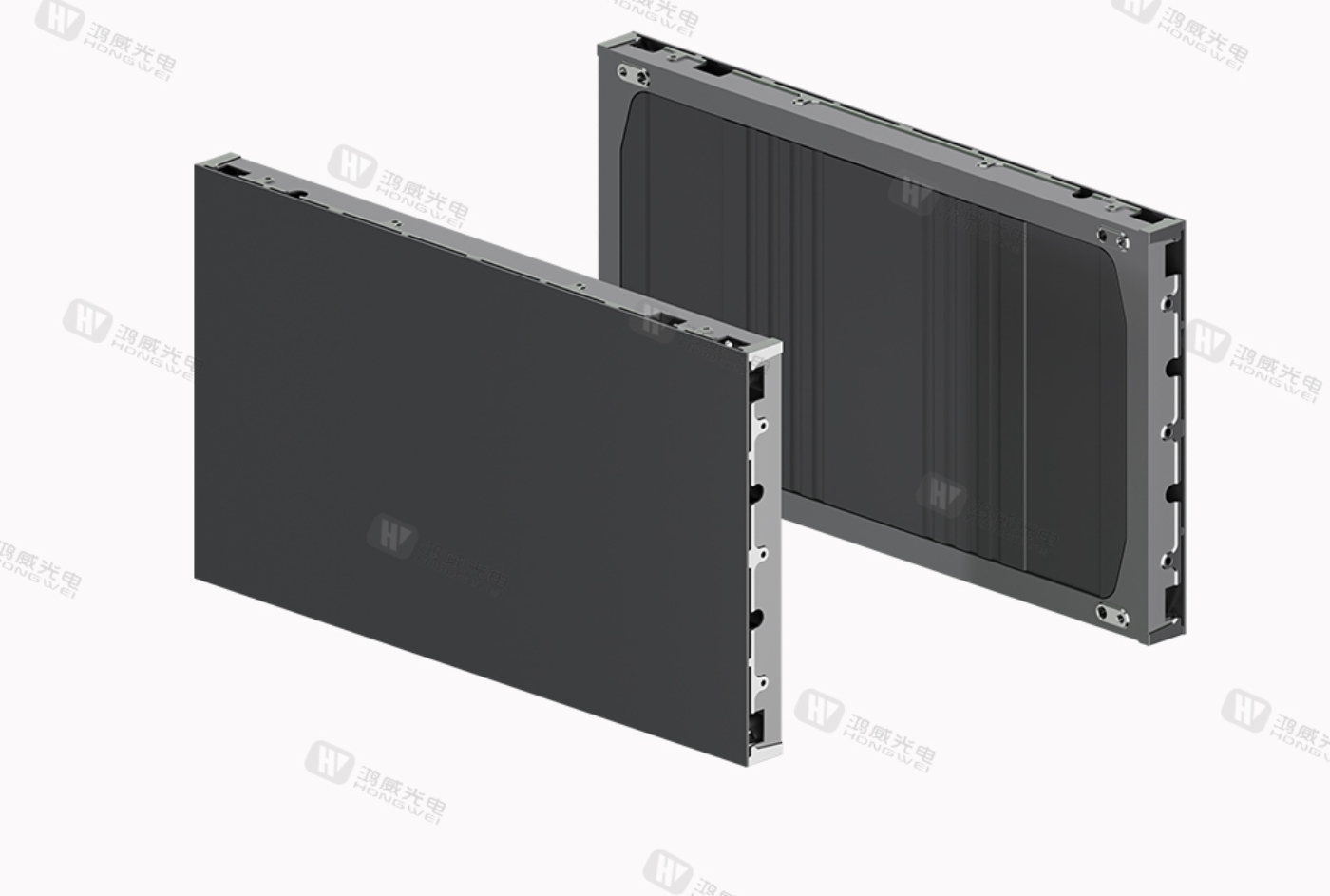
Display technology continues evolving rapidly with innovations such as:
Mini LED backlighting
Fine-pitch indoor LED video walls
Energy-efficient intelligent display systems
These advancements are narrowing performance gaps while expanding application possibilities across industries.
So, is IPS display better than LED?
The answer depends entirely on application needs.
IPS displays are better for close-range indoor viewing, professional content creation, and personal devices.
LED displays are superior for large screens, commercial environments, outdoor advertising, stadiums, and public visual communication.
Rather than competing technologies, IPS and LED serve different purposes within the display ecosystem.
For businesses seeking reliable large-format display solutions with outstanding brightness, scalability, and long-term performance, working with an experienced manufacturer is essential. With advanced technology, customized solutions, and professional engineering support, Hongwei LED display delivers high-quality LED display systems designed for modern commercial and outdoor applications worldwide.
By continuing to use the site you agree to our privacy policy Terms and Conditions.